

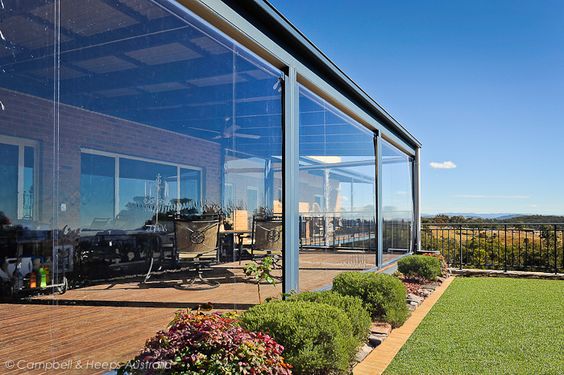
PVC cafe blinds in Melbourne are popular for good reason. They keep wind out, retain warmth, and let natural light through. However, many Melbourne homeowners and cafe operators ask the same question before buying: will these blinds yellow, crack, or deteriorate under Melbourne’s unpredictable climate? The honest answer depends heavily on material grade, PVC thickness, and UV stabilisation levels – all of which vary significantly between suppliers.
Melbourne’s weather is notoriously demanding. Scorching UV in summer, damp winters, and sudden temperature swings put outdoor materials under real stress. Consequently, the quality of your PVC matters far more than most sales conversations let on. This guide explains exactly what drives yellowing and cracking, how to choose the right material, and what to realistically expect from your investment over time.
Verified Quick Fact
According to ARPANSA (Australian Radiation Protection and Nuclear Safety Agency), Australia receives some of the highest UV radiation levels in the world. Melbourne records UV Index levels above 11 (Extreme) on summer days. This makes UV-stabilised materials essential for any outdoor installation.
Why Melbourne’s Climate Puts PVC Under Pressure
Melbourne is famous for experiencing four seasons in one day. Summer afternoons push temperatures past 40 degrees Celsius. Winters bring persistent cold fronts, heavy rain, and temperatures that drop to single digits overnight. This thermal cycling – constant expansion and contraction – is one of the primary causes of PVC degradation over time.
Standard PVC is a thermoplastic material. It softens slightly under intense heat and stiffens considerably in the cold. Furthermore, UV radiation breaks down the polymer chains in untreated PVC. This is precisely why cheap or thin-gauge PVC blinds develop that telltale yellow tinge within a few seasons of Melbourne sun exposure.
Beyond yellowing, cold temperatures below 5 degrees Celsius cause low-grade PVC to lose flexibility. Rolling or unrolling stiff blinds on cold Melbourne mornings creates microscopic stress fractures. Over time, those fractures become visible cracks. Therefore, the formulation of the PVC – not just its thickness – determines how it performs through a Melbourne winter.
The Clear PVC Yellowing Problem – What Actually Causes It
Yellowing in clear PVC blinds is one of the most common complaints among Melbourne homeowners. Understanding its cause helps you avoid it entirely with the right product choice.
PVC yellows for three main reasons. First, UV radiation breaks down plasticisers added to keep PVC flexible. Second, heat accelerates oxidation of unstabilised compounds within the material. Third, airborne pollutants and cleaning chemicals can react with PVC surfaces over time, especially in urban Melbourne environments near heavy traffic.
Premium PVC cafe blinds use UV stabilisers – typically Tinuvin-class HALS (Hindered Amine Light Stabilisers) – embedded directly into the compound during manufacturing. These absorb and dissipate UV energy before it degrades the polymer chain. Additionally, better-grade PVC incorporates anti-oxidant additives that slow heat-driven breakdown.
In practical terms, choose blinds where the supplier can confirm UV stabiliser content. Vague descriptions like “UV protected” without specification detail are a warning sign. Ask for the PVC compound grade and confirm it is formulated for outdoor Australian conditions. Suppliers who cannot answer this question clearly are unlikely stocking commercial-grade material.
PVC Cafe Blinds vs Mesh Blinds – Which Suits Melbourne Better?
Both materials serve Melbourne’s outdoor spaces well – but for different situations. Here is a direct comparison to help you decide:
Clear PVC Cafe Blinds
- Full weather and wind protection
- Retains heat – ideal for winter use
- Maintains unobstructed outward view
- Suitable for enclosed alfresco dining
- Higher glare in direct afternoon sun
- Can yellow if UV-grade is substandard
- Available in tinted versions for glare control
Mesh Outdoor Blinds
- Superior ventilation in summer heat
- Reduces glare without blocking airflow
- Does not provide full weather enclosure
- Better suited to shaded or filtered areas
- No yellowing or cracking concerns
- More breathable – reduces condensation
- Not ideal for cold Melbourne winters
For most Melbourne residential patios and commercial cafe setups, clear PVC or tinted PVC is the more practical choice. Mesh works well in sheltered positions where airflow matters more than full weather protection. Many Melbourne homes use PVC cafe blinds on wind-exposed sides and mesh on protected sides – a practical hybrid approach.
Tinted PVC Blinds for Glare – A Smarter Choice for North-Facing Areas
Tinted PVC blinds have grown significantly in popularity across Melbourne. North and west-facing outdoor areas receive the harshest afternoon glare. Clear PVC, while transparent, can amplify heat and cause uncomfortable brightness on sunny days.
Tinted PVC – typically available in grey, bronze, or smoke tints – reduces visible light transmission by 20 to 50 percent depending on tint density. Importantly, quality tinted PVC retains UV protection while significantly reducing solar heat gain. This makes tinted options ideal for Melbourne cafes, restaurants, and residential alfresco areas that face afternoon sun.
Additionally, tinted PVC tends to show yellowing less visibly than clear material. This is purely cosmetic, but it does mean tinted blinds look better for longer even if minor UV degradation occurs. For this reason, many Melbourne installation professionals recommend tinted options for areas receiving direct western sun exposure throughout summer.
Verified Quick Fact
According to the Australian Government’s YourHome design guide, external shading that reduces solar heat gain through west-facing openings can lower indoor temperatures by up to 10 degrees Celsius. PVC cafe blinds with tinting contribute meaningfully to passive cooling in Melbourne homes.
Understanding PVC Thickness Gauge – Why It Matters More Than Price
PVC blinds are manufactured in various thicknesses, typically measured in millimetres. The thickness directly affects durability, rigidity, wind resistance, and cold-weather flexibility. Yet many consumers focus on price rather than gauge specification – often resulting in disappointment within the first two Melbourne winters.
Here is a practical guide to PVC thickness and its suitability for Melbourne conditions:
| Thickness | Best Use | Durability Note |
| 0.4mm – 0.5mm | Budget residential, sheltered areas only | Prone to cracking in Melbourne cold. Short lifespan. |
| 0.6mm – 0.8mm | Standard residential patios and decks | Good balance of flexibility and strength for most Melbourne homes. |
| 1.0mm | Commercial cafes, restaurants, high-wind areas | Excellent rigidity and cold-weather performance. Industry standard for commercial. |
| 1.2mm+ | Heavy commercial, large spans, coastal sites | Maximum durability. Heavier to roll. Recommended for exposed Melbourne bayside locations. |
Importantly, thickness alone does not guarantee quality. The PVC compound formulation must also include UV stabilisers and plasticisers rated for cold-weather flexibility. Thicker PVC with poor UV stabilisation will still yellow and crack. Therefore, always verify both gauge AND compound specification before purchasing.
How PVC Cafe Blinds Perform Through Melbourne Winters
Cold-weather performance is frequently overlooked when Melbourne homeowners are shopping for outdoor blinds during summer. However, Melbourne winters deserve equal consideration. June through August regularly bring overnight temperatures between 5 and 10 degrees Celsius, with wind chill making exposed patios feel considerably colder.
Standard PVC stiffens noticeably below 10 degrees Celsius. Below 5 degrees, it loses significant flexibility. Forcing a cold, stiff PVC blind to roll or unroll creates concentrated stress along fold lines. Over multiple cold seasons, these stress points become permanent creases and eventually cracks.
Commercial-grade PVC formulations designed for cold climates incorporate additional plasticiser compounds that maintain flexibility at lower temperatures. These products remain pliable down to approximately 0 degrees Celsius without sacrificing clarity or UV resistance. If your Melbourne home experiences regular frost or strong cold southerly winds in winter, this specification is worth requesting specifically.
Furthermore, closed PVC cafe blinds create a meaningful insulating layer for outdoor spaces during Melbourne winters. The enclosed air gap between the blind and the home’s exterior slows heat loss considerably. This makes well-sealed cafe blinds genuinely functional for year-round outdoor living – not just a summer aesthetic choice.
How to Clean PVC Cafe Blinds and Keep Them Looking New
Proper maintenance extends the life of PVC cafe blinds considerably. Melbourne’s combination of pollen seasons, coastal salt air in some suburbs, and urban dust means outdoor blinds attract grime faster than most people expect. Fortunately, cleaning PVC is straightforward with the right approach.
The Correct Cleaning Method for PVC Blinds
- Mix warm water with a few drops of mild dish soap or diluted white vinegar solution.
- Apply with a soft microfibre cloth or sponge – never abrasive pads or scourers.
- Wipe gently in one direction to avoid micro-scratching the surface.
- Rinse thoroughly with clean water to remove all soap residue.
- Allow to dry completely before rolling up – trapped moisture causes mould growth.
- Apply a purpose-made PVC conditioner or protectant every 6 to 12 months.
Critically, avoid petroleum-based solvents, acetone, bleach, or any citrus-based spray cleaners. These strip plasticiser compounds from the PVC surface. Once plasticisers are depleted, the material becomes brittle and yellowing accelerates rapidly. This is one of the most common reasons Melbourne homeowners report premature deterioration – incorrect cleaning products used with good intentions.
Additionally, never use a high-pressure washer directly on PVC blinds at close range. The pressure can force water under edge channels and delaminate bonded components. A standard garden hose rinse is perfectly adequate for outdoor rinse-down.
UV Resistant PVC Blinds in Melbourne – What the Specification Actually Means
The term “UV resistant” appears on almost every PVC blind product description. However, not all UV resistance is equal. Understanding what the specification means helps you make a genuinely informed purchase decision in Melbourne’s high-UV environment.
UV resistance in PVC blinds typically refers to one or more of the following: UV absorber additives, HALS (Hindered Amine Light Stabilisers), or pigment-based UV blocking. HALS systems are considered superior by polymer scientists because they operate catalytically – repeatedly neutralising UV-generated radicals without being consumed themselves. This extends their protective lifespan considerably versus simple UV absorbers that deplete over time.
From a practical Melbourne perspective, ask suppliers for Australian Standards compliance relevant to outdoor PVC materials. Standards Australia publishes specifications for polymer materials used in building applications. Products meeting relevant Australian Standards for weather exposure provide a measurable benchmark rather than vague marketing language.
Furthermore, consider the role of PVC as a material – its base chemistry makes it inherently susceptible to UV degradation without stabilisation. This is not a defect; it is a property of the base polymer. The additive package determines real-world performance.
Realistic Lifespan and Cost Expectations for PVC Blinds in Melbourne
Setting realistic expectations prevents buyer disappointment. The lifespan of PVC cafe blinds in Melbourne varies considerably based on material grade, installation quality, UV exposure, cleaning habits, and whether blinds are stored or rolled during periods of non-use.
General Lifespan Expectations by Material Grade
- Budget PVC (0.4mm – 0.5mm, no UV grade specified): 2 to 5 years before visible yellowing and cracking.
- Mid-grade PVC (0.6mm – 0.8mm, basic UV stabilisation): 5 to 8 years with regular cleaning and care.
- Commercial-grade PVC (1.0mm+, premium UV stabilisation): 10 to 15 years in well-maintained Melbourne residential settings.
Additionally, consider the full system cost – not just the blind itself. Track systems, bottom rails, side channels, and motorisation add to the total investment. However, these components also significantly improve performance. Properly channelled cafe blinds resist wind uplift better, seal weather gaps more effectively, and last longer than loosely hung alternatives.
Explore Ziptrak blinds and Slide Track systems for full-enclosure solutions that combine PVC with engineered track systems – popular choices across Melbourne’s alfresco market.
The quality of installation directly affects both performance and lifespan. Even premium PVC blinds underperform when poorly installed. Melbourne’s variable winds – particularly the notorious southerly busters that sweep across the bay in summer – put lateral pressure on incorrectly mounted systems.
Key installation factors for Melbourne conditions include:
- Fixing substrate: Blinds must be anchored to structurally sound framing – not just cladding or lightweight trims.
- Side channelling: Track systems like Ziptrak prevent blind panels from lifting or billowing in wind gusts.
- Bottom bar weighting: Weighted bottom rails maintain tension and prevent flapping damage during Melbourne’s gusty conditions.
- Headbox or pelmet: A protective headbox shields the rolled PVC from direct UV when not in use – significantly extending lifespan.
- Drainage: Ensure water does not pool on bottom rails or channels after rain. Standing water encourages algae growth and premature surface degradation.
For Melbourne homeowners considering a DIY approach, DIY Blinds supplies professionally specified systems with clear installation guidance. However, engaging professional installation ensures structural fixings meet load requirements – particularly important for larger commercial cafe enclosures across Melbourne’s inner and outer suburbs.
When to Consider Roller Shutters or Awnings Instead
PVC cafe blinds excel at weather enclosure and maintaining views. However, they are not the right solution for every Melbourne application. Understanding the alternatives helps you choose confidently.
Consider roller shutters when security, insulation, or storm protection is the priority. DIY Blinds supplies Residential Curved, Storm Shield, and Fire Shield roller shutters – each suited to different Melbourne environmental conditions. Roller shutters provide far greater thermal insulation than PVC blinds and offer meaningful security protection that PVC cannot match.
Consider window awnings when shading a specific window or doorway rather than enclosing an entire outdoor area. Awnings intercept direct sunlight before it reaches glass, reducing solar heat gain and lowering cooling demands during Melbourne summers – a fact supported by the Australian Government’s YourHome guide on passive shading.
Alternatively, consider Zipscreen or Ezip blinds for situations requiring tensioned, trackless systems that combine weather protection with clean architectural aesthetics across Melbourne’s contemporary homes.
Frequently Asked Questions About PVC Cafe Blinds in Melbourne
The Bottom Line on PVC Cafe Blinds in Melbourne
PVC cafe blinds in Melbourne absolutely can yellow and crack over time – but only if you choose the wrong product. Material grade, UV stabilisation quality, thickness gauge, and cold-weather formulation separate blinds that last a decade from those that disappoint within a few seasons.
Melbourne’s UV intensity and thermal cycling demand more than generic PVC. Consequently, investing in commercial-grade, UV-stabilised PVC with appropriate gauge for your specific location pays back significantly in lifespan, appearance, and reduced replacement costs. Moreover, correct cleaning habits and protective headboxes extend performance further still.
Whether you are enclosing a residential alfresco in Melbourne’s western suburbs, fitting out a cafe along the inner-north strip, or protecting a coastal deck on the Mornington Peninsula, the right PVC cafe blind system makes a meaningful difference to how you use and enjoy your outdoor space year-round.
DIY Blinds serves Melbourne from its Hoppers Crossing showroom. The team supplies and installs Ziptrak blinds, Slide Track systems, Ezip, Zipscreen, cafe blinds, window awnings, and roller shutters across Melbourne. Get an obligation-free quote by calling 1300 040 577 or reach out via the contact details below.