

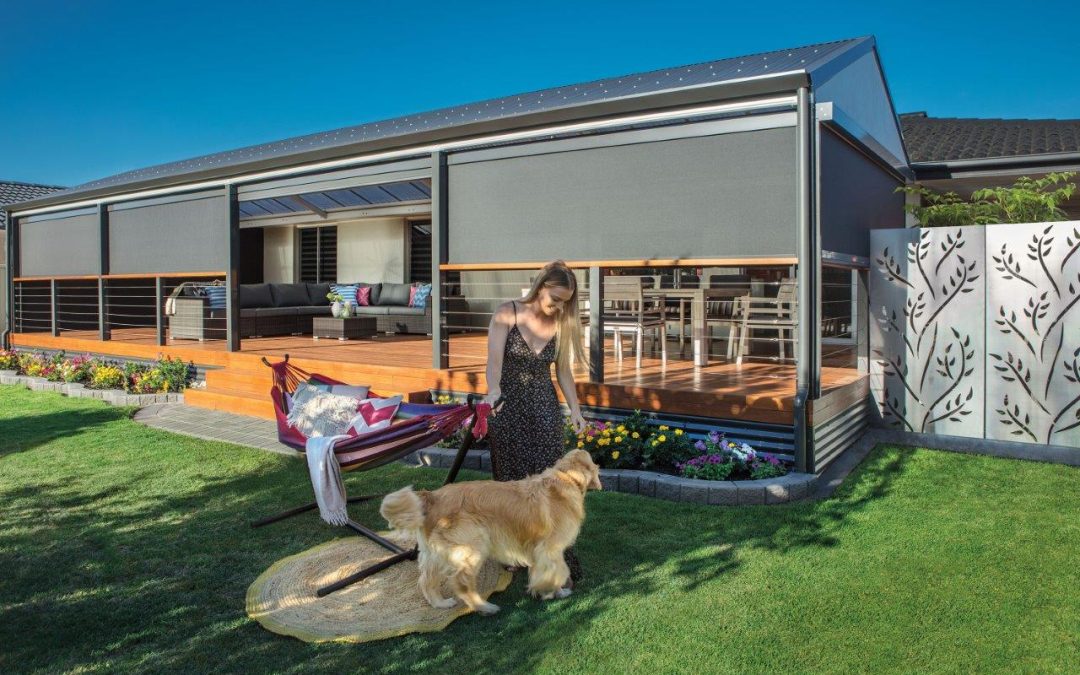
Melbourne weather rarely settles on one mood for long. Sunshine arrives in the morning, a cold wind picks up by noon, and rain often shows up before dinner. For anyone with a deck, alfresco, or patio, this unpredictability turns outdoor living into a bit of a gamble.
External blinds solve that problem quietly and effectively. In fact, they are no longer a bonus feature tacked onto a renovation. Across Melbourne, they have become part of how homes function every day, rain, hail, or shine.
This guide walks through why external blinds matter and how they perform in local conditions. It also covers what to weigh up before buying. Along the way, we answer questions homeowners actually ask on forums and review sites, not the ones brochures usually cover.
Why External Blinds Are Becoming an Everyday Fixture Across Melbourne
Ten years ago, outdoor blinds felt like a feature reserved for cafés and restaurants. Today, they are common in suburban backyards from Hoppers Crossing to Hawthorn.
Part of the shift comes from how people use their homes now. Alfresco areas are not just for summer barbecues anymore; they are extensions of the living room. Consequently, homeowners want that space usable in more than perfect weather alone.
External blinds also solve a practical problem. Wind, glare, and sudden showers used to send everyone back indoors within minutes. Now, a blind drops in seconds, and the afternoon simply continues.
For a closer look, DIY Blinds’ range of outdoor blind styles breaks down what suits your space.
How External Blinds Hold Up Against Melbourne’s Four Seasons in a Day
Locals often joke about experiencing four seasons in one day, and honestly, it is not far from the truth. So how do external blinds actually cope with this?
Quality outdoor blinds use UV-stabilised, wind-rated fabrics built for exactly this kind of shifting weather. Meanwhile, track-guided systems, such as Ziptrak-style blinds, run within side channels that keep the fabric taut during gusts.
That said, no outdoor blind is completely immune to extreme weather. Manufacturers set wind ratings for good reason. During a genuine storm, it is still wise to retract any external blind fully.
Reviewers on ProductReview.com.au have noted that well-installed, track-guided blinds tend to hold their shape through Melbourne’s stronger wind events. Poorly fitted ones, meanwhile, come loose far more easily. Installation quality, in other words, matters as much as the fabric itself.
How External Blinds Turn a Patio Into Genuine Living Space
A patio once meant a barbecue and maybe a bench seat. These days, it is often a fully used room without four walls.
External blinds make that shift possible. Once they are down, a shaded lounge area appears where wind and glare used to make sitting outside unpleasant. Dinner under the stars becomes realistic even when a breeze picks up mid-meal.
Some homeowners even use the space as a quiet, shaded work-from-home nook. In practice, a single blind creates enough separation from the yard to make video calls comfortable.
In short, external blinds do not just block sun. They convert unused square footage into something the household actually enjoys, day after day.
What Colour Choice Says About a Home, and Why It Matters
Colour choice for outdoor blinds is not purely aesthetic. It shapes how a space feels, so it should match the mood a homeowner is going for.
- Dark tones like charcoal or ironstone tend to suit modern, minimalist homes.
- Neutral shades sit comfortably with almost any architectural style.
- Warmer, earthy tones connect naturally with garden surroundings and established greenery.
Interestingly, many homeowners choose colours that echo their favourite café or restaurant fit-out. Melbourne’s coffee culture, it seems, extends well beyond the cup and into home design choices. DIY Blinds’ colour range includes shades like Ironstone, Woodland Grey, and Surfmist, which cover most preferences already.
Why DIY-Friendly, Energy-Efficient Blinds Appeal to So Many Homeowners
Control is the short answer here. In practice, DIY-friendly kits let homeowners choose size, fabric, and finish without paying for a full installation crew.
For many people, there is genuine satisfaction in fitting a blind themselves and getting a professional-looking result. DIY Blinds’ made-to-measure kits are built with exactly this in mind, arriving ready to fit rather than requiring specialist tools.
Beyond the DIY appeal, external blinds are genuinely useful for energy efficiency. By blocking direct sun before it reaches the glass, they reduce heat gain. In turn, that eases the load on air conditioning through summer.
They also cut glare noticeably. As a result, many households need less artificial lighting during daylight hours. That saving adds up over a full year.
How External Blinds Sit Alongside Melbourne’s Mixed Architecture
Melbourne’s housing stock spans everything from Edwardian weatherboards to glass-heavy apartment towers. Naturally, external blinds need to work with all of it, not against it.
- Heritage homes generally suit canvas or timber-toned blinds that do not fight the existing facade.
- Townhouses benefit from slimline systems that save space without adding visual clutter.
- Newer builds can carry motorised, minimalist blinds for a sleek, contemporary look.
Ultimately, a blind should enhance a home’s character rather than compete with it. Given the city’s growing focus on sustainable design, a well-chosen blind earns its keep as both style and substance.
Can External Blinds Add Value in Melbourne’s Property Market?
In a competitive market, small details can shift a buyer’s impression. Indeed, external blinds fall into that category more often than most sellers expect.
Buyers increasingly view a well-shaded alfresco as usable living space, not just an outdoor extra. In turn, that perception alone can make a property feel larger than its floor plan suggests.
Energy efficiency plays a role too. A home that already manages heat and glare well signals lower running costs, and that detail matters to budget-conscious buyers.
None of this guarantees a higher sale price on its own. However, it remains a reasonably low-cost improvement that rarely detracts from a home’s overall appeal.
The Lifestyle Perks Most Homeowners Do Not Expect Until They Own Them
Most people buy external blinds purely for shade. Yet many end up appreciating a handful of side benefits they never planned for.
For instance, blinds can noticeably reduce street noise for homes near busier Melbourne roads. That alone makes outdoor entertaining more relaxed for households near traffic.
Privacy improves too, without making a space feel closed in. Furniture also lasts longer, since fabric and timber fade less without constant direct sun.
Taken together, these small wins explain why so many homeowners say they wish they had installed external blinds sooner.
Bringing Café Culture Home With the Right Style of Blind
Melbourne’s alfresco dining culture did not stay confined to cafés for long. Instead, homeowners have been recreating that same atmosphere in their own backyards for years now.
Café-style PVC blinds are a popular choice here, since they offer a sheltered yet still open feel. Clear panels let daylight through while keeping wind and light rain out.
Retractable outdoor awnings work well alongside these blinds too. Households can open things up on a still morning, then close down for an evening glass of wine. Together, the two recreate that laneway café feel without leaving home.
Are Smart External Blinds Worth Considering for a Melbourne Home?
Smart home features have moved well past lighting and door locks. Increasingly, external blinds sit within that same ecosystem for a growing number of households.
App-controlled systems let homeowners adjust blinds remotely. That’s handy for anyone who forgets to close up before a storm rolls in. Weather sensors take this a step further, automatically retracting blinds once wind or rain hits a set threshold.
Voice integration with Alexa or Google Assistant is increasingly common too. It is a small convenience, though for busy households, small conveniences add up quickly.
Smart blinds are not essential for everyone. Still, they are becoming a normal upgrade rather than a novelty.
Why External Blinds Quietly Solve Melbourne’s Privacy Problem
Higher density living means neighbours often sit closer than most people would prefer, especially across established, inner-ring suburbs.
External blinds offer a low-key fix for this. In practice, they block direct sightlines from second-storey windows nearby, without making a courtyard feel boxed in.
Townhouses and apartments benefit from this most, since outdoor space there sits smaller and closer to neighbours. Even so, light still filters through most fabric choices, so the space does not lose its openness.
DIY Installation Versus Hiring a Professional: What Actually Works Best
This debate does not really have a universal winner. Instead, it depends on the property, the budget, and how confident someone feels with tools.
DIY installation suits homeowners who want to save on labour and do not mind spending a weekend getting things right. Made-to-measure kits, like those from DIY Blinds, are designed to keep this process manageable for a reasonably handy person.
Professional installation makes more sense for larger spans, tricky access points, or motorised systems needing wiring. Precision matters more here, and a professional installer generally works through the job faster too.
Interestingly, plenty of homeowners land somewhere in the middle. They order DIY-friendly blinds, then bring in a professional just for the final fit. It is a practical compromise that keeps costs down without risking a shoddy result.
What External Blinds Actually Cost in Melbourne Right Now
Pricing varies considerably depending on blind type, fabric, size, and whether motorisation is involved. As of mid-2026, industry pricing guides suggest manual, track-guided outdoor blinds often start from several hundred dollars for smaller openings. Larger or motorised systems, by contrast, can run into the thousands.
Please note: these figures are general industry estimates only. They are not drawn from any single supplier’s current price list, and they shift with materials and installation complexity. Treat any number here as a rough guide, not a quote.
For an accurate figure, it is worth getting in touch with DIY Blinds directly. Ask for a current, written quote based on your own measurements. The team can also be reached on 1300 040 577, or by text on 0407 255 309.
DIY Blinds also offers five years interest-free on purchases, with payments starting only once the blinds arrive at the door. That structure makes budgeting a little easier for larger projects.
Final Thoughts on Choosing External Blinds for a Melbourne Home
External blinds are a fairly simple product doing a lot of quiet work. Overall, they extend usable space, cut energy costs, add privacy, and protect furniture without demanding much attention.
Whether a DIY project or a professional install sounds better, the DIY Blinds gallery is worth a browse first.
For homeowners still weighing up options, DIY Blinds’ FAQ page and about us page cover the groundwork well.