
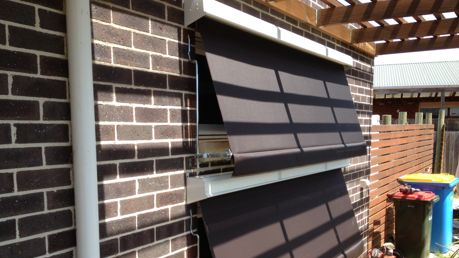
Outdoor awnings have become one of the most practical and popular investments for Melbourne homeowners looking to extend their living space, manage the city’s notoriously unpredictable weather, and reduce energy costs year-round. Whether you are shading a north-facing entertainment deck, protecting a west-facing window from relentless afternoon sun, or creating a private, comfortable alfresco area that can be enjoyed through Melbourne’s long summers and mild winters, the right outdoor awning transforms how you use your home. Far from being a simple shade fix, modern awnings integrate seamlessly with external blinds, motorised systems, smart home controls, and premium fabric technology — making them as much a lifestyle upgrade as a practical one.
This guide covers everything Melbourne homeowners need to know in 2026: which awning types suit which spaces, how retractable and folding arm systems compare, when motorised and automated options make sense, how outdoor patio blinds and outdoor roller blinds complement awnings, what materials and colours work best in Melbourne’s UV environment, and how to make a confident, well-informed decision before purchasing.
Why Melbourne Homes Benefit From Outdoor Awnings
Melbourne’s climate is unlike almost anywhere else in Australia. A single day can deliver scorching heat, cool change winds, brief rain, and clear skies within hours. This variability is precisely why outdoor shading solutions that can respond to conditions — rather than sit fixed through all weather — have surged in popularity across Melbourne’s residential suburbs.
External shading, including outdoor awnings, is recognised by the Australian Building Codes Board as one of the most energy-efficient passive cooling strategies available for residential buildings. By intercepting solar radiation before it reaches glass surfaces, awnings reduce the heat load entering a home, lowering reliance on air conditioning and cutting energy bills. The Australian Government’s energy efficiency resources consistently highlight external shading as a priority upgrade for homeowners seeking to reduce summer cooling costs.
Beyond energy efficiency, outdoor awnings provide UV protection — which is particularly important in Melbourne, where UV index levels regularly reach extreme ratings during summer. Quality acrylic awning fabrics can block a significant percentage of harmful UV radiation, protecting both occupants and outdoor furniture from premature degradation.
- Weather adaptability — block intense summer sun, provide shelter during light rain, and retract to let winter warmth through.
- Energy savings — reduce air conditioning loads by intercepting solar heat gain before it enters your home.
- Extended outdoor living — Melbourne’s outdoor entertaining culture thrives when weather protection allows year-round use of decks, patios, and alfresco areas.
- Privacy and comfort — create a defined outdoor room that feels separated from neighbours and street-level views.
- Property value — well-designed external shading is increasingly valued by Melbourne buyers and renters alike.
Make it easier to invest in quality shading: All purchases include 5 years interest free — you don’t start paying for your blinds until they arrive at your door.
Types of Outdoor Awnings for Melbourne Properties
Not all outdoor awnings are created equal, and selecting the right type depends on your home’s architecture, the orientation of the space you are shading, your tolerance for manual operation, and your budget. Here is a clear breakdown of the main options available to Melbourne homeowners.
Retractable Awnings Melbourne
Retractable awnings are the most versatile and widely chosen option for Melbourne homes. They extend to provide shade when needed and retract to allow full sun access during cooler months or when not in use. This flexibility makes them ideal for a climate that shifts dramatically between seasons and even within a single day.
Modern retractable awning systems are available in manual crank operation or motorised configurations. Entry-level retractable awnings in Melbourne typically start from around $1,200 to $2,000 for standard residential sizes, with motorised systems adding to that investment depending on the width and automation level required.
The key advantage of retractable designs is longevity. By retracting the awning during high winds, storms, or Melbourne’s notorious hail events, you protect the fabric and frame from damage that fixed awnings would be subjected to. This significantly extends the operational life of the product.
Folding Arm Awnings Melbourne
Folding arm awnings represent the premium tier of the retractable awning category. These systems operate using articulated arm mechanisms that extend and retract the awning horizontally without the need for support legs or posts — making them ideal for decks, entertainment areas, and café-style settings where an unobstructed space beneath is essential.
The arms fold beneath the awning fabric when retracted, storing neatly against the wall-mounted cassette or open-roll housing. This design protects the fabric from UV degradation and dust accumulation when not deployed. Folding arm awnings are particularly well suited to Melbourne’s north-facing and west-facing outdoor areas that experience extended sun exposure during summer afternoons.
Available widths typically range from 2.5 metres to over 6 metres for residential applications, with custom configurations possible for larger entertainment areas or commercial outdoor spaces. Folding arm awnings pair particularly well with outdoor roller blinds or patio blinds along the sides to create a fully enclosed, weather-protected outdoor room.
Window Awnings Melbourne
Window awnings — sometimes called outdoor window awnings — are fixed or semi-retractable shading solutions mounted directly above windows to intercept solar heat before it enters through glass. They are among the most cost-effective external shading options available and deliver meaningful energy efficiency improvements to both older Melbourne homes with large single-pane windows and newer builds with extensive glazing.
In Melbourne’s residential streetscapes, window awnings are often used to complement a home’s exterior aesthetic while providing functional shade. They are available in a range of fabric colours — from restrained tones like Surfmist®, Paperbark®, and Shale Grey® to bolder choices like Steel Blue, Cobalt, or Monument — allowing precise coordination with the home’s façade palette.
Outdoor window awnings are particularly effective on east-facing and west-facing windows where low-angle morning or afternoon sun creates significant glare and heat penetration that internal blinds cannot adequately address.
Outdoor Roller Blinds and Patio Blinds: Complementing Your Awning
While outdoor awnings excel at overhead shading, many Melbourne homeowners discover that pairing them with outdoor roller blinds or outdoor patio blinds on the sides of an alfresco area creates a genuinely enclosed, protected, and comfortable outdoor room that can be used in a much wider range of weather conditions.
Outdoor roller blinds work by rolling a weather-resistant fabric down from a fixed head rail to create a vertical screen along the perimeter of a deck, pergola, or patio. They can be deployed selectively — for example, lowering only the western-facing blind during afternoon sun while leaving other sides open for airflow — giving precise control over light, ventilation, and privacy.
Outdoor patio blinds serve a similar function but often use clear PVC or café-blind style materials in addition to fabric options, allowing an unobstructed view while still blocking wind and light rain. This makes them popular for Melbourne alfresco dining areas where maintaining the visual connection to the garden or view is important.
Systems like Ziptrak, Slide Track, and Ezip take outdoor roller blind performance to a higher level by incorporating tensioned side channels that hold the fabric taut even in gusty Melbourne conditions, preventing billowing and improving both weather resistance and visual neatness. The Zipscreen system is another excellent option delivering a clean, architectural finish that suits both contemporary and traditional Melbourne homes.
Quick Comparison: Outdoor Awning and Blind Types
| Solution | Best For | Motorised Option | Weather Protection |
|---|---|---|---|
| Folding Arm Awning | Open decks, alfresco areas | Yes | Overhead sun & light rain |
| Retractable Awning | Flexible shading, seasonal use | Yes | Sun, UV, light rain |
| Window Awning | Windows, façade sun control | Limited | Direct sun & glare |
| Outdoor Roller Blind | Vertical side screening | Yes | Sun, wind, rain, privacy |
| Outdoor Patio Blind | Alfresco enclosures, café areas | Yes | Wind, light rain, privacy |
| Ziptrak / Zipscreen | High-wind areas, full enclosure | Yes | Wind, rain, UV, privacy |
Motorised Outdoor Blinds and Automated Outdoor Blinds: The Modern Choice
Melbourne’s outdoor living culture has embraced motorisation rapidly, and for good reason. Motorised outdoor blinds and automated outdoor blinds eliminate the manual effort of deploying and retracting shading systems — a genuine quality-of-life improvement, particularly for large awnings that cover significant spans or for homeowners with limited mobility.
Modern motorised systems use quiet, energy-efficient tubular motors integrated invisibly into the roller barrel or awning cassette. Operation is via wall-mounted switch, handheld remote, or smartphone app depending on the automation level chosen. For homeowners who have invested in a broader smart home ecosystem, many current outdoor blind and awning motors integrate with platforms such as Google Home, Apple HomeKit, or dedicated home automation controllers.
One of the most practical features available for automated outdoor blinds in Melbourne is wind sensor integration. A wireless wind sensor detects when sustained gusts reach a set threshold and automatically retracts the awning or raises the blind, protecting the system from potential wind damage without requiring any manual intervention. This is especially relevant in Melbourne, where sudden gusty cool changes can arrive with little warning on otherwise warm days.
Sun sensors provide the complementary function — automatically deploying awnings or blinds when solar intensity reaches a set level during the day, and retracting them as the sun drops. Combined with timer scheduling, this creates a fully autonomous shading system that responds intelligently to Melbourne’s daily weather patterns without any input required from the homeowner.
Worth knowing: Automated outdoor blinds with wind and sun sensor integration are particularly well suited to Melbourne homes where outdoor areas face west or north-west and experience intense afternoon sun combined with the risk of abrupt cool change winds.
External Blinds Melbourne: Maximising Performance and Aesthetics
The term external blinds covers a broad category of shading solutions mounted on the exterior of a building rather than internally. This positioning is what makes external blinds so effective — by intercepting solar energy before it passes through glass, they prevent heat from accumulating inside the home in the first place, a performance advantage that internal blinds and curtains simply cannot replicate.
External blinds in Melbourne are used across a wide range of residential applications: shading large bi-fold door openings, screening open pergola sides, protecting balconies, creating wind breaks for rooftop terraces, and providing privacy to ground-floor living areas that face the street or neighbouring properties.
Fabric selection is critical for external blind performance. Solution-dyed acrylic fabrics are the preferred choice for Melbourne’s high UV environment — the pigment is locked into each fibre during manufacturing rather than applied as a surface coating, resulting in significantly superior fade resistance compared to standard polyester fabrics. Mesh-weave openness factors (typically ranging from 1% to 10%) control the balance between solar blockage, outward visibility, and airflow — a balance worth discussing with an experienced supplier based on your specific space and requirements.
Colour choice also plays a practical role. Darker tones such as Charcoal, Ebony, Gunmetal, and Monument offer superior daytime privacy and outward visibility through the mesh. Lighter tones such as Surfmist®, Porcelain, Classic Cream®, and Oyster reflect more solar energy and can be particularly effective on west-facing applications where heat gain is the primary concern. Mid-range tones like Dune®, Wallaby®, Ironstone®, Jasper®, Bassalt®, and Windspray® offer versatile performance and coordinate naturally with Melbourne’s popular contemporary and coastal exterior palettes.
Expanding Your Options: Café Blinds and Roller Shutters
For Melbourne homeowners whose shading needs go beyond what standard outdoor awnings and roller blinds provide, café blinds and roller shutters offer compelling additional solutions.
Café blinds — typically constructed from clear PVC or tinted PVC panels — are named for their use in outdoor dining settings but are equally effective in residential alfresco spaces. They create a wind-sheltered, weather-resistant enclosure while maintaining a view and allowing natural light to flow through. In Melbourne’s transitional autumn and spring seasons, café blinds extend the comfortable use of outdoor areas by weeks on either side of summer.
Roller shutters serve a different set of needs — primarily focused on security, insulation, and complete light block rather than filtered shading. Options including Residential Curved Roller Shutters, Storm Shield Roller Shutters, and Fire Shield Roller Shutters address specific residential requirements ranging from bushfire protection to storm damage mitigation — considerations that are increasingly relevant to Melbourne’s outer suburban and peri-urban properties.
Fabric, Colour, and Long-Term Durability
The longevity of any outdoor awning or external blind system is significantly influenced by fabric quality. In Melbourne’s UV environment — where the UV index regularly exceeds 10 during summer — inferior fabrics degrade, lose tension, and fade visibly within just a few years. Quality solution-dyed acrylic fabrics, by contrast, are designed to maintain their performance and appearance for well over a decade with reasonable care.
Regular maintenance is straightforward: occasional brushing to remove dust and debris, gentle washing with mild soap and water for accumulated grime, and ensuring the fabric is dry before retracting to prevent mould growth in the stored roll. Avoid pressure washers at close range on awning fabrics as high-pressure water can damage fabric coatings and seams.
Frame and hardware materials deserve equal attention. Powder-coated aluminium extrusions are the industry standard for outdoor awning frames in Australia — they resist corrosion, maintain structural integrity in Melbourne’s temperature cycling between cold winters and hot summers, and are available in a range of finishes to complement or contrast the selected fabric colour.
When reviewing warranty terms, look specifically for what is covered across fabric, frame, and motorisation components. A supplier who offers clear, documented warranty terms backed by Australian consumer law protections demonstrates confidence in their product quality.
| Hayley Koina — Verified Customer “The blinds were delivered on time and installed within the day. The communication of Paul was fantastic and he kept in the loop with everything going on with the job, the blinds look amazing, would 100% recommend.” |
Installation Considerations for Melbourne Homeowners
Proper installation is as important as product quality for outdoor awning performance and longevity. Awnings must be mounted into structurally sound substrates — masonry, timber rafters, steel lintels, or engineered brackets depending on the building construction — to ensure they remain secure under the loads imposed by wind, fabric tension, and the weight of the awning mechanism itself.
In most Melbourne residential zones, small-scale awning installation falls within exempt development provisions and does not require a building permit. However, there are important exceptions: properties within heritage overlays, those governed by body corporate rules in strata complexes, and some larger span installations may require council notification or approval. The Victorian Government’s Planning and Environment resources provide guidance on exempt development provisions applicable in your specific zone and overlay.
For motorised and automated systems, electrical connection should always be completed by a licensed electrician in accordance with Australian Standards. Some motorised outdoor blind and awning systems are available in 12V or 24V DC configurations that can be connected by the installer without an electrician for the motor itself, though mains-powered systems require licensed electrical work for the transformer and wiring.
| Planning tip: If your Melbourne property sits within a heritage overlay or a body corporate arrangement, obtain written approval before ordering. Most standard residential installations in Melbourne proceed without permits, but it is always worth confirming with your local council. |
How to Choose the Right Outdoor Awning for Your Melbourne Home
With the range of products available — retractable awnings, folding arm systems, window awnings, outdoor roller blinds, external blinds, motorised and automated options — it can feel difficult to identify the right solution for your specific home and outdoor space. A structured approach makes the decision straightforward.
Begin by identifying the primary purpose: is it overhead sun shading, side wind and rain screening, window heat reduction, privacy, or a combination? The purpose determines whether you need an awning, an outdoor roller blind, a side screen, or a combination system.
Next, consider the orientation of the space. North-facing areas receive the most consistent sun year-round and benefit from the controlled shading of a retractable awning or folding arm system. West-facing areas experience the most intense afternoon heat and may need deeper projection or fabric with higher solar-blockage characteristics. East-facing areas typically need shading only in the morning, while south-facing areas rarely need overhead sun shading in Melbourne’s latitude.
Budget, automation preference, and aesthetic integration with your home’s exterior are the final decision factors. Starting with clear priorities across these dimensions allows a knowledgeable supplier to recommend the most appropriate product without overselling complexity or underselling performance.
Explore the full range of outdoor blinds and awning solutions at DIY Blinds to compare options, or visit the window awnings page for specific guidance on external window shading for Melbourne homes.
The Bottom Line on Outdoor Awnings for Melbourne Homes
Investing in quality outdoor awnings is one of the most impactful upgrades a Melbourne homeowner can make to their outdoor living environment. The right awning extends the usable season of your alfresco space, protects your interior from solar heat gain, enhances privacy, and adds genuine visual appeal to your home’s exterior. When paired with complementary outdoor roller blinds, external blinds, or motorised automation systems, awnings become part of a cohesive, high-performance outdoor shading strategy that improves comfort, lowers energy costs, and elevates the way you live at home.
Melbourne’s climate demands solutions that can adapt — and modern outdoor awnings, particularly retractable, folding arm, and motorised configurations, are precisely engineered to do exactly that. With the range of fabrics, colours, automation options, and system configurations available from experienced Melbourne suppliers, there is no reason to settle for overheated, exposed, or underused outdoor spaces in 2026.
Explore the full range at DIY Blinds Melbourne or get in touch directly to discuss the right outdoor shading solution for your home.