

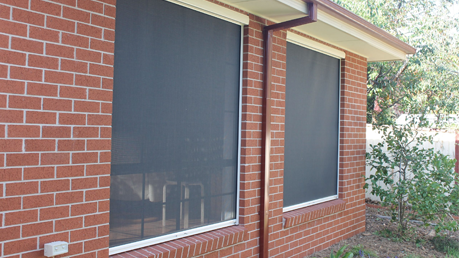
If you’ve landed here wondering which outdoor blind system is actually right for your home — whether you’re in Melbourne’s unpredictable four-seasons climate, coastal Queensland, or a wind-battered southern suburb — you’re in the right place. This guide cuts through the manufacturer noise and gives you a straight-talking, genuinely comparative look at every major outdoor blind system available in Australia in 2026: Ziptrak blinds, eZip, cafe blinds, slide track, and zipscreen systems.
We’ll cover how each system works, how they hold up in different Australian climate zones, what installation actually involves, what maintenance looks like long-term, and — critically — where each system shines and where it falls short. By the end, you’ll know exactly which blind to spec for your space, your climate, and your lifestyle.
Let’s get into it.
How Outdoor Blind Systems Work: Ziptrak, eZip, Cafe Blinds, Slide Track & Zipscreen Explained
Before you can compare outdoor blind types, it helps to understand the fundamental mechanical differences between each system. The way a blind is guided, tensioned, and operated determines almost everything else — its wind resistance, its ease of use, its durability, and its aesthetic.
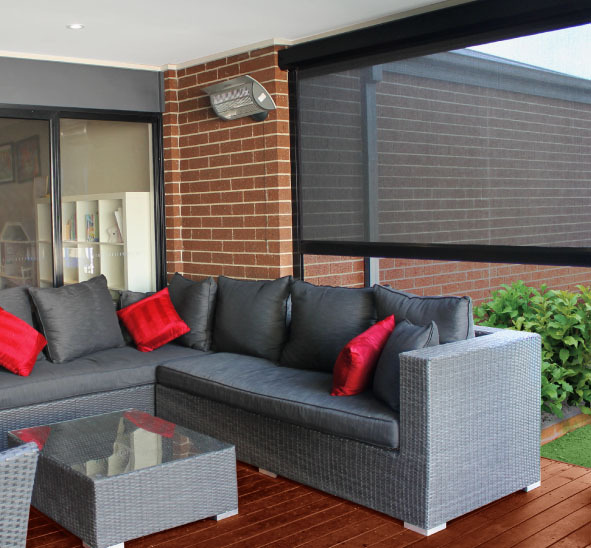
Ziptrak Blinds — The Spring-Balanced Track System
Ziptrak outdoor blinds are built around a patented spring-balanced track system. The blind fabric is contained within side channel tracks on each edge and a bottom rail keeps it tensioned. The spring balance counteracts the weight of the fabric, allowing you to push the blind up or pull it down to any position — no chains, no ropes, no pulleys — and it simply stays where you put it. This “stops at any position” feature is genuinely one of the most practical things about the system; you can let a breeze in at the bottom while blocking sun from above, something most other systems can’t do cleanly.
The fabric is not actually zipped — the name comes from the zip-lock channel that keeps the edges contained. This side-channel containment gives Ziptrak blinds meaningful wind resistance compared to open-rope systems. For Ziptrak patio blinds in Melbourne, where a cool-change southerly can arrive with little warning and hit 50–60 km/h, that containment matters enormously.
eZip Blinds — The Sealed Zip-Channel System
eZip systems take the channel concept further. Instead of a spring-balanced track, eZip uses a fabric with a physically zipped edge that locks into a side channel — creating a fully sealed perimeter when closed. This seal is the system’s defining feature: it can block out insects, dust, wind-driven rain, and in higher-specification fabrics, provides superior thermal performance. The trade-off is that eZip blinds cannot stop at arbitrary mid-positions as cleanly as Ziptrak — most are operated by a spring roller or motor that keeps fabric taut and in the channels under tension.
eZip systems are available in motorised and manual configurations. The sealed perimeter makes them particularly compelling for zip track blind installations in Melbourne apartments and coastal properties where wind-driven rain or insects are primary concerns.
Cafe Blinds — The Classic Clear PVC System
Cafe blinds are the older, more traditional form of outdoor blind. They typically consist of clear PVC panels (or fabric) mounted on simple roller or channel track systems, secured by stainless clips, rope guides, or a basic track at the sides. The “cafe” name comes from their ubiquitous use on restaurant verandahs and hospitality venues throughout Australia.
Clear PVC cafe blinds offer excellent visibility through the panel — a genuine advantage for spaces with views or where maintaining sightlines is important. However, standard rope-guided cafe blinds have limited wind resistance, as the sides aren’t truly contained. More modern cafe blind systems have improved this with better track guidance. Cafe blinds in Melbourne remain popular for domestic and hospitality alfresco areas where the aesthetic fit and clear visibility outweigh the need for maximum wind resistance.
Slide Track Blinds — Channel Guidance Without the Zip
Slide track systems guide the blind fabric within aluminium channels on each side, without a physical zip mechanism. The blind rolls up into a pelmet box at the top and the bottom bar slides down within the channels. Side tension systems or guide wires keep the fabric taut. Slide track blinds offer improved wind resistance over standard rope systems and a very clean, modern aesthetic — particularly when paired with a box pelmet. They’re often favoured for contemporary architectural applications and are compatible with motorisation. Slide track outdoor blinds are a practical mid-tier option between basic cafe systems and premium zip-channel systems.
Zipscreen — The Integrated Woven Fabric Blind
Zipscreen systems use a woven sun-screen fabric (typically offering specific openness factors — commonly 1%, 3%, or 5% — that determine light filtering and view-through) contained within a zip-channel guide rail system. The defining characteristic of a zipscreen is the integration of sun-control fabric into a sealed channel system, combining solar and glare control with structural integrity. They’re engineered for precision installation and are frequently motorised. Zipscreen-type systems are particularly popular for large architectural openings and commercial applications where solar performance is specified. Fabric selection (openness factor and colour) dramatically affects how much heat, UV, and glare they control.
Ziptrak
Spring-balanced track. No chains or ropes. Stops at any position. Best-in-class ease of operation.
eZip
Physically zipped sealed edge. Maximum weather, insect & wind-driven rain exclusion.
Cafe Blinds
Classic clear PVC or fabric. Excellent visibility. Simple, cost-effective, broad compatibility.
Slide Track
Channel-guided roller. Clean modern look. Good wind resistance without a zip mechanism.
Zipscreen
Woven sun-screen fabric in zip channels. Precision solar control with a sealed perimeter.
Comparing Outdoor Blind Types: Key Differences and When to Choose Each
The “best outdoor blind” for your home isn’t a universal answer — it depends on your space, your climate, your priorities, and your budget. Here’s how the five major systems compare across the criteria that Australian homeowners actually care about.
| Feature | Ziptrak | eZip | Cafe Blinds | Slide Track | Zipscreen |
|---|---|---|---|---|---|
| Wind Resistance | ✔ High | ✔ Very High | ◑ Moderate | ✔ High | ✔ High |
| Insect Seal | ◑ Partial | ✔ Full Seal | ✖ Minimal | ◑ Partial | ✔ Full Seal |
| Motorisation | ✔ Yes | ✔ Yes | ◑ Available | ✔ Yes | ✔ Standard |
| Stops at Any Position | ✔ Yes | ✖ No | ◑ Varies | ◑ Varies | ✖ Typically No |
| Clear View-Through | ◑ Fabric-dependent | ◑ Fabric-dependent | ✔ Excellent (PVC) | ◑ Fabric-dependent | ◑ Openness factor |
| Solar/UV Control | ✔ Yes | ✔ Yes | ◑ Moderate | ✔ Yes | ✔ Precision |
| Ease of Operation | ✔ Excellent | ✔ Good (motor) | ✔ Simple | ✔ Good | ✔ Good (motor) |
| Maintenance Level | Low | Low–Moderate | Low (fabric) / Moderate (PVC) | Low | Low–Moderate |
| Aesthetic | Modern/Clean | Contemporary | Classic/Versatile | Modern/Architectural | Sleek/Commercial |
| Typical Applications | Patios, pergolas, alfresco | Balconies, coastal, tropical | Alfresco, hospitality, verandahs | Modern homes, apartments | Large openings, commercial |
When to Choose Cafe Blinds Over Ziptrak or eZip
Cafe blinds aren’t the “budget option” they’re sometimes stereotyped as — they have genuine use cases where they outperform track systems. Clear PVC cafe blinds maintain sightlines beautifully: if your alfresco overlooks a garden, water feature, or view, and you want weather protection without losing that outlook, quality clear PVC cafe blinds deliver what no opaque fabric can. They’re also among the simplest systems to DIY-install and to replace panel-by-panel if a section is damaged. The honest limitation is wind resistance: in consistently windy locations, the lack of a proper side channel means the panels can billow and stress the bottom fixings.
Slide Track vs Ziptrak: Which is Better for Modern Homes?
For architectural modern homes — particularly those with clean lines, large openings, and a design-forward aesthetic — slide track systems often edge out Ziptrak visually. The box pelmet and flush channel create a very precise, integrated look. Ziptrak’s patented track system is also architecturally clean, but its spring mechanism has a slightly more visible profile. Both systems perform well in Melbourne’s variable conditions. The choice often comes down to aesthetic preference and whether the “stops anywhere” functionality of Ziptrak is worth it for your space.
Installation: What to Expect Across Different Blind Systems
Ziptrak Installation
Ziptrak blinds require aluminium side channels to be mounted precisely plumb and parallel — typically to a pergola beam, fascia, or dedicated header beam. The spring mechanism is tensioned to balance the fabric weight, and the bottom rail needs to be correctly adjusted. Precise alignment is critical: misaligned channels cause the blind to bind or travel unevenly. DIY Ziptrak installation is achievable for hands-on homeowners with good carpentry skills, particularly with quality pre-measured kits. Key requirements include:
- Solid, structurally sound mounting surface (pergola beam, brick, or timber fascia)
- Plumb and true mounting points — laser level recommended
- Correct spring tension set for blind dimensions and fabric weight
- Adequate clearance for pelmet box if specified
- In Melbourne: account for potential expansion/contraction in aluminium tracks across seasonal temperature ranges (commonly -2°C to 43°C)
eZip Installation
eZip installation follows a similar structural requirement — plumb side channels, solid header mounting — but the zip-edge fabric threading is more demanding. The fabric’s edges must feed cleanly into the zip channels during installation; this is particularly fiddly on wide spans. Motorised eZip systems add electrical rough-in requirements. Professional installation is more commonly recommended for eZip than for Ziptrak, particularly for larger openings or motorised configurations.
Cafe Blind Installation
Standard cafe blinds are among the most straightforward outdoor blind systems to install. Basic rope-guided PVC cafe blinds involve mounting a top rail or roller, threading the panel, and securing guide ropes or edge channels. For standard residential sizes, DIY installation is well within reach. Track-guided cafe blind systems (which improve wind resistance significantly) require more precise installation but remain simpler than full zip-channel systems. DIY cafe blind installation in Melbourne is popular — correct measurement is the most critical step.
Slide Track Blind Installation
Slide track systems require precise channel alignment similar to Ziptrak, with the addition of a pelmet housing (box or open) at the top. The channel guides need to be dead-plumb for smooth operation. Where the pelmet box is an integrated part of the design, the installation process is more involved — but the result is a very clean finish. Motorised slide track systems require additional provision for motor housing and wiring.
Zipscreen Installation
Zipscreen systems are typically the most technically demanding to install correctly. The zip channels, header box, and bottom bar all need to be perfectly aligned, and the fabric tension is critical to avoid tracking issues. For most homeowners, professional installation is recommended for zipscreen systems — particularly for large-span architectural applications. Motorisation is near-standard on quality zipscreen installations.
🏗️ Melbourne-Specific Installation Note
Melbourne’s variable climate creates specific installation considerations. The temperature swing from mid-winter minimums around 2–5°C to summer peaks above 40°C in western and northern suburbs means aluminium track systems can expand and contract meaningfully over a season. Quality installations in Melbourne account for this through appropriate fastener sizing, thermal expansion gaps, and correct track alignment tolerance. In inner-Melbourne apartments, owners corporation (strata) approval is frequently required before installation — always confirm this before ordering.
- Check: Owners corporation rules for apartment balconies (inner-city and high-rise)
- Check: Council heritage overlay requirements for heritage-listed properties (common in Carlton, Fitzroy, South Yarra, and Williamstown)
- Use: Stainless steel fixings in coastal Melbourne suburbs (Port Melbourne, Brighton, Sandringham, Elwood) to prevent corrosion
Maintenance and Cleaning Requirements by Blind Type
One of the most consistently underestimated parts of outdoor blind ownership is maintenance. Every system requires some level of care — the question is how much, how often, and what happens if you neglect it. Here’s an honest, actionable breakdown by system.
Maintaining Ziptrak Blinds
Ziptrak blinds are designed for low maintenance, but “low” doesn’t mean “none.” In Melbourne, where spring pollen seasons are intense and summer sees dust accumulation, you’ll typically need to clean the fabric 2–3 times per year. The track channels accumulate grit and debris that will affect smooth operation over time if not cleared.
- Fabric cleaning: Brush off loose debris with a soft brush. Then apply a solution of warm water and a few drops of mild detergent (avoid harsh chemicals or bleach on woven fabrics). Work gently with a soft cloth or sponge. Rinse thoroughly with a garden hose on a gentle setting — never a pressure washer directly on fabric. Allow to dry fully before rolling up.
- Track maintenance: Wipe down aluminium channel tracks with a damp cloth to remove built-up grit. Apply a small amount of silicone spray lubricant to the inside of the channel 1–2 times per year — this keeps the blind gliding smoothly and protects the track surface. Avoid oil-based lubricants that attract dirt.
- Spring tension check: Annually check that the spring balance is still correctly tensioned. A blind that creeps downward on its own or feels heavy to lift may need spring adjustment.
- Bottom rail: Inspect the bottom rail seal periodically — this is a wear point on frequently operated blinds.
- Melbourne pollen season (Aug–Nov): Clean more frequently during peak pollen periods, particularly for households with allergy sufferers.
Maintaining eZip Blinds
eZip maintenance follows similar fabric care principles, but the zip mechanism itself requires specific attention. The zip-edge fabric can accumulate fine particles in the zipper teeth, which causes friction and eventual wear if not addressed.
- Zip channel care: Clean the zip channel with a soft brush to remove grit. Apply a Teflon-based or silicone zipper lubricant (not oil-based wax) to the zip edges twice yearly — this is the single most important maintenance task for eZip longevity.
- Fabric cleaning: Same principles as Ziptrak fabric — mild detergent, soft cloth, full rinse, full dry before rolling.
- Motorised systems: Wipe down motor housing annually and check all wiring connections are secure and protected from water ingress. In coastal Melbourne (Elwood, Brighton, Port Melbourne), salt-laden air can corrode exposed connections — inspect these annually.
Maintaining Cafe Blinds — Clear PVC Specific Care
Clear PVC cafe blinds have a specific and often misunderstood maintenance requirement: standard cleaning products will damage them. PVC panels degrade, yellow, and become brittle when exposed to petroleum-based cleaners, solvents, or chlorine bleach. In Melbourne’s UV-intensive summers, PVC degradation is accelerated.
- Use PVC-specific cleaner: Always use a product formulated for clear vinyl or PVC — commonly available at marine supply stores and outdoor living retailers. This cleans without degrading the plasticisers that keep PVC flexible.
- Prevent yellowing: Apply a clear PVC conditioner/protectant after cleaning, 2–3 times per year. This significantly extends clarity and prevents the yellowing and brittleness that makes old cafe blinds look tired.
- Never roll up wet: PVC panels rolled up while wet or damp can develop mould between layers, creating permanent staining that’s extremely difficult to remove.
- Winter storage: In Melbourne, where winters can see weeks of grey damp weather, consider temporarily removing and flat-storing clear PVC panels if the alfresco won’t be used for extended periods. This prevents long-term moisture damage and extends panel life.
- Fabric cafe blinds: Follow the same mild detergent approach as Ziptrak fabric. Annual inspection of rope guides and end fixings is important — UV degradation of ropes is a common failure point.
Maintaining Slide Track Blinds
Slide track maintenance centres on the channel guides and the fabric. The pelmet box (if fitted) should be inspected annually for water pooling in heavy Melbourne rain periods — poor pelmet drainage can cause moisture damage to the rolled fabric.
- Channel cleaning: Similar to Ziptrak — wipe out debris and apply silicone lubricant seasonally.
- Pelmet drainage: Check pelmet drainage holes are clear before winter. Blocked drainage causes water to sit against the blind and cause fabric degradation or mould.
- Bottom bar seals: Inspect annually and replace if worn — these are the most common wear points.
Maintaining Zipscreen Blinds
Woven sun-screen fabric is durable but benefits from regular care. The open weave can accumulate fine particles that, over time, reduce the fabric’s openness factor and alter its solar performance.
- Fabric cleaning: Use a soft brush to dislodge particles from the weave. Follow with a mild soapy water solution applied with a soft cloth, then rinse thoroughly. Woven fabrics dry quickly — don’t roll up while damp.
- Zip channel maintenance: Same as eZip — silicone-based lubricant on zip tracks, twice yearly.
- Motorised systems: Annual professional check of motor, limit switches, and wiring is recommended — particularly important for zipscreen systems that are operated multiple times daily.
How Different Outdoor Blinds Perform Across Australian Climate Zones
Australia spans six distinct climate zones, and the performance differences between blind systems are amplified by those conditions. What works brilliantly in tropical Cairns is quite different from what you need on a wind-swept Melbourne hillside or an arid Alice Springs property.
🌴 Tropical Climate (Northern Queensland, Darwin, Kimberley)
Tropical Australian climates deliver extreme heat, intense monsoon rainfall, and high humidity — often simultaneously. The priority here is heavy-duty weather resistance and insect exclusion.
- Best system: eZip or zipscreen — their sealed perimeter keeps monsoonal rain out and provides a meaningful insect barrier against tropical insects.
- Fabric choice: High-UV-resistant solution-dyed acrylic or heavy-duty PVC mesh that won’t degrade under relentless tropical UV. Look for fabrics with UV resistance rated for tropical conditions.
- Avoid: Standard clear PVC cafe blinds in tropical zones — UV degradation and heat softening significantly shortens their lifespan compared to temperate climates.
- Maintenance frequency: Increase to quarterly cleaning in tropical zones due to mould and mildew growth in humid conditions. Anti-fungal fabric treatments are worth applying annually.
🌤️ Subtropical (Brisbane, Gold Coast, Northern NSW)
Subtropical conditions bring hot, humid summers and mild, dry winters. Afternoon storms and high UV are the primary challenges.
- Best system: Ziptrak or eZip — the ability to partially open Ziptrak to catch the subtropical breeze while blocking afternoon sun is ideal. eZip suits homeowners who prioritise full storm closure.
- Solar control: Zipscreen with a 3–5% openness factor fabric provides excellent heat management while preserving outward views in subtropical alfresco areas.
- Maintenance: Semi-annual cleaning, with attention to mildew prevention on fabric stored in rolled position during wet season.
🍃 Temperate — Melbourne and Southern Victoria
Melbourne’s climate is unique in its variability: hot, dry summers with occasional extreme heat events (40°C+ days occur in January and February, particularly in outer suburbs like Melton, Sunbury, and Cranbourne), mild but distinctly wet winters, and those legendary “four seasons in one day” transitions driven by Bass Strait weather patterns.
For Ziptrak outdoor blinds in Melbourne, the spring-balanced system’s ability to operate quickly and intuitively is particularly valuable — when a cool change rolls in off Port Phillip Bay, you want to be able to close your outdoor area quickly and without fuss. The southerly buster that drops the temperature by 15°C in an hour is as Melbourne as a flat white.
🍃 Melbourne Climate — What Each Blind System Delivers
- Ziptrak in Melbourne: Excellent all-rounder. Handles summer UV and heat, Melbourne’s southerly wind changes, and spring pollen. The partial-opening flexibility suits Melbourne’s quickly changing conditions better than most alternatives.
- eZip in Melbourne: Ideal for south-facing alfresco areas that cop the worst of Melbourne’s cold southerly wind changes. The sealed perimeter keeps the wind and rain out cleanly. Also popular for inner-city apartment balconies.
- Cafe Blinds in Melbourne: Best for north-facing alfresco areas where the priority is winter sun access and view preservation rather than wind containment. Inner suburb hospitality-style alfresco fits this well.
- Slide Track in Melbourne: Popular for contemporary new builds in suburbs like Reservoir, Preston, and Brunswick where architectural clean lines matter. Performs solidly across Melbourne’s seasons.
- Zipscreen in Melbourne: Excellent for west-facing outdoor areas that cop Melbourne’s intense afternoon summer sun — the precision solar control of woven screen fabric genuinely reduces the ambient temperature of covered outdoor areas.
☀️ Arid and Semi-Arid Regions (Central and Western Australia)
Intense, sustained UV, dust storms, and extreme dry heat define arid Australian conditions. Sand and fine dust are the enemy of track mechanisms.
- Best system: Ziptrak or slide track — both offer sealed track channels that resist dust ingress better than open cable systems. Regular track cleaning is essential in dusty regions.
- Fabric choice: Tight-weave or solid fabrics that don’t collect and hold fine dust. Solution-dyed fabrics with high UV stabilisation are mandatory — UV exposure in arid regions is among the highest in the world.
- Avoid: Clear PVC in arid zones — UV degradation is rapid and the heat causes plasticiser loss, leading to brittleness and cracking within 2–3 years in unshaded applications.
🌊 Coastal Conditions
Salt-laden air accelerates corrosion of metal components across all blind systems. Coastal installations — whether coastal Queensland, NSW, or Melbourne’s Port Phillip Bay suburbs — require specific specification.
- Specify: Marine-grade aluminium extrusions, 316-grade stainless steel fixings, and powder-coated finishes specifically rated for coastal environments.
- Maintenance: Rinse all metal components (tracks, fixings, bottom rails) with fresh water monthly in high-salt-exposure locations. This simple step dramatically extends hardware lifespan.
- Best systems: eZip and Ziptrak both perform well in coastal conditions when correctly specified for marine environments.
🎯 Find Your Perfect Outdoor Blind System
Answer 6 quick questions and we’ll recommend the best outdoor blind system for your home, climate zone, and lifestyle — personalised to you.
Question 1 of 6
What best describes your Australian climate zone?
How exposed is your outdoor area to wind?
What type of outdoor space are you covering?
What’s your single most important priority?
How important is motorisation or smart home integration to you?
How much maintenance are you comfortable with?
Motorisation and Smart Home Integration for Outdoor Blinds
Motorised outdoor blinds have moved well beyond the luxury tier in 2026 — they’re now a practical upgrade that many Australian homeowners are specifying from the outset. All major track-guided systems (Ziptrak, eZip, slide track, and zipscreen) are compatible with motorisation. Cafe blinds can also be motorised, though this is less commonly done due to the system’s simpler construction.
App & Remote Control
Somfy, Rollease Acmeda, and similar systems allow control via smartphone app, wall remote, or integrated home automation.
Sun & Wind Sensors
Motorised systems can be paired with anemometers (wind sensors) and sun sensors to automatically close when conditions change — perfect for Melbourne’s rapid weather shifts.
Smart Home Integration
Compatible platforms include Google Home, Amazon Alexa, Apple HomeKit, and dedicated home automation systems like Control4 and Crestron.
Solar & Battery Power
Solar-powered motor options eliminate the need for electrical cabling — particularly practical for pergolas or freestanding outdoor structures without easy power access.
Cost and Long-Term Value Comparison
Specific pricing varies significantly by blind dimensions, fabric specification, motorisation, and installation complexity. Rather than quoting figures that quickly become outdated, what matters more is understanding the relative cost positioning of each system and what you’re getting for the premium.
| System | Relative Cost Tier | What Drives the Cost | Typical Lifespan | Value Proposition |
|---|---|---|---|---|
| Cafe Blinds | Entry–Mid | Fabric type (PVC vs woven), track complexity, size | 7–12 years (fabric); Hardware longer | Best cost-per-square-metre for sheltered areas |
| Slide Track | Mid | Pelmet specification, fabric, motorisation | 10–15 years | Good balance of performance and aesthetics for price |
| Ziptrak | Mid–Premium | Spring mechanism, fabric quality, pelmet, motorisation | 10–15+ years | Premium daily-use experience; strong resale value appeal |
| eZip | Premium | Zip-edge fabric precision, motorisation standard, track spec | 10–15 years | Best performance in high-exposure conditions; lower long-run maintenance |
| Zipscreen | Premium–High | Precision fabric, architectural specification, motorisation standard | 10–15 years | Best solar control performance; preferred for commercial/architectural |
The value calculation for outdoor blinds isn’t just about purchase price — it includes fabric replacement costs, maintenance burden over time, operational efficiency, and the impact on how much you actually use your outdoor space. A well-chosen, quality outdoor blind system typically pays for itself through extended outdoor living hours and reduced heat load on the adjacent interior space.
Design and Customisation Options
Design customisation — fabric colour, pelmet style, track finish, and transparency — varies significantly across outdoor blind systems.
The design flexibility of modern outdoor blind systems is remarkable compared to even a decade ago. Key customisation variables include:
Fabric Selection
- Solution-dyed acrylic: The premium outdoor fabric choice — colours are dyed through the fibre rather than surface-coated, giving superior fade resistance. The industry benchmark for durability in Australian conditions. Available in broad colour ranges across Ziptrak, eZip, slide track, and cafe blind systems.
- PVC mesh: Durable, easy to clean, available in various openness factors and colours. Common in cafe, zipscreen, and slide track applications.
- Clear PVC: The classic cafe blind material — available in various thicknesses (typically 0.5mm to 1mm) and tint options. Crystal clear for maximum view retention.
- Woven sun-screen: Specifically for solar control — openness factors of 1%, 3%, 5%, and 10% give increasingly more light while reducing heat and glare. The 3% openness factor is a popular balance point for Melbourne west-facing applications.
Frame and Track Finishes
Aluminium tracks and pelmets are typically powder-coated across a broad colour palette — from standard Colorbond colours (Monument, Surfmist, Basalt) to custom architectural colours. For Melbourne properties with specific façade colours, custom powder-coat matching is available from quality suppliers.
Pelmet Styles
- Open roll (no pelmet): Simple, cost-effective, exposes the fabric roll when open
- Square box pelmet: Clean, modern look — hides the fabric roll completely for a flush, architectural finish
- Round pelmet: Softer aesthetic, popular for heritage and cottage-style homes
- Integrated structural pelmet: Built into the pergola or structural header — the cleanest possible finish for new builds
Which Outdoor Blind System Is Right for Your Home?
If you’ve read this far, you’re well-equipped to make an informed choice. Here’s a quick decision framework for the most common scenarios:
Melbourne Patio or Pergola
Recommended: Ziptrak outdoor blinds. The spring-balanced ease of operation handles Melbourne’s variable conditions better than any alternative. The partial-open functionality is tailor-made for that transitional weather.
Inner-City Melbourne Apartment Balcony
Recommended: eZip or slide track. Both offer the clean aesthetic that suits contemporary apartment buildings and provide meaningful wind resistance for elevated, exposed balconies. Check owners corporation rules first.
West-Facing Outdoor Area (Anywhere in Australia)
Recommended: Zipscreen with a 3–5% openness woven fabric. Precision solar control that genuinely reduces ambient temperature while maintaining an outward view. Makes a material difference to afternoon comfort.
Heritage Verandah (Melbourne Inner Suburbs)
Recommended: Cafe blinds in Melbourne. Clear PVC or traditional-style fabric maintains heritage aesthetic. Simple installation, minimal visual impact on heritage fabric of the building.
Tropical North Queensland or Darwin
Recommended: eZip with heavy-duty, UV-stabilised fabric. The full sealed perimeter handles monsoonal conditions and insect pressure. Motorise and add a wind sensor for automated storm closure.
Large Modern Architectural Opening
Recommended: Zipscreen or motorised slide track. The clean integrated aesthetic and precision specification of these systems suits large contemporary residential or commercial applications.
Frequently Asked Questions — Outdoor Blinds Australia
For Melbourne’s four-seasons-in-one-day conditions, Ziptrak outdoor blinds are the standout choice for most patio and pergola applications. The spring-balanced system lets you quickly adjust the blind to any position as conditions change — from full sun on a January afternoon to a complete close when the southerly cool change arrives. For highly exposed south-facing alfresco areas or apartment balconies, eZip’s sealed perimeter provides stronger wind and weather protection.
Quality outdoor blind fabrics (solution-dyed acrylic or UV-stabilised PVC mesh) typically last 8–15 years in Australian conditions, depending on climate zone and maintenance. Track hardware and mechanisms outlast fabrics significantly when properly maintained. In Melbourne’s temperate climate, with regular cleaning and seasonal lubrication, quality systems can perform well for 12–15+ years. In tropical Queensland or the arid Centre, UV exposure is more intense and fabric lifespan should be assessed at 8–10 years.
In most Melbourne residential situations, outdoor blinds attached to an existing approved pergola or verandah structure do not require separate planning permit. However, if the supporting structure itself requires a building permit, the blinds are assessed as part of that application. Properties in heritage overlays (common in Carlton, Fitzroy, St Kilda, South Yarra, and Williamstown) may require heritage permit for any external modifications. Apartment dwellers must obtain owners corporation approval before installation. Always check with your local council and, if applicable, your owners corporation before ordering.
DIY installation is genuinely achievable for Ziptrak, slide track, and cafe blind systems — particularly with quality pre-measured kits designed for the purpose. DIY Outdoor Blinds specialises in providing exactly this. The key skills required are accurate measurement, the ability to mount into different substrate types (timber, masonry, aluminium), and patience with plumb alignment. eZip and zipscreen systems are more technically demanding, particularly on wider spans, and professional installation is more commonly recommended. Motorised systems require electrical connection by a licensed electrician.
The fundamental difference is in how the blind’s edges are contained. Ziptrak uses a patented spring-balanced track — the fabric edge is held within an aluminium channel without a physical zipper, and the spring balance allows the blind to stop at any position. eZip uses a fabric with a physically zipped edge that locks into the side channel, creating a sealed perimeter when closed. Ziptrak wins on operational ease and partial-position flexibility; eZip wins on full perimeter seal for insect exclusion and wind-driven rain resistance.
Yes — significantly. Quality outdoor blinds can reduce the solar heat gain entering a covered outdoor or indoor area by 40–95% depending on fabric type and specification. Woven sun-screen fabrics in zipscreen or slide track applications are specifically engineered for solar heat reduction and can meaningfully lower the ambient temperature of a covered outdoor space on Melbourne’s 40°C+ summer days. This also reduces the cooling load on adjacent interior spaces, which can have a measurable impact on energy costs in summer.
Track-guided systems consistently outperform cable and rope systems in wind. eZip’s sealed channel system offers the best pure wind resistance — the fabric cannot billow or flap because it’s physically constrained on all edges. Ziptrak and slide track systems also perform well in moderate-to-high wind conditions. Standard rope-guided cafe blinds are not recommended for consistently exposed or high-wind locations — they’re better suited to sheltered alfresco areas.