

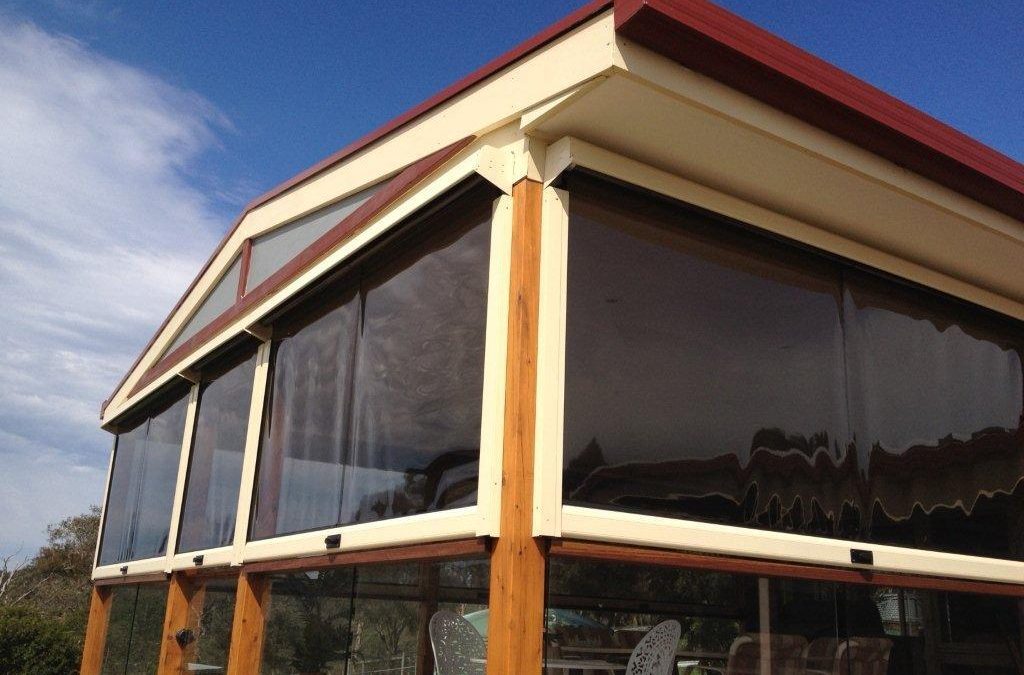
You have probably stood on your patio on a blazing Melbourne afternoon, squinting into the western sun, wondering why you have not done something about it yet. Or perhaps the wind whipped through your alfresco on a spring evening and sent dinner plans sideways. The right outdoor blind fixes both problems and a few others you have not thought of yet. Melbourne homeowners are increasingly treating their patios, decks and alfresco areas as genuine rooms of the house. However, getting the shading wrong means wasted money, flapping fabric and an outdoor space that still does not work. This guide walks through real ideas, real product comparisons and honest advice for getting it right the first time.
Why the Right Outdoor Blind Does More Than Block the Sun
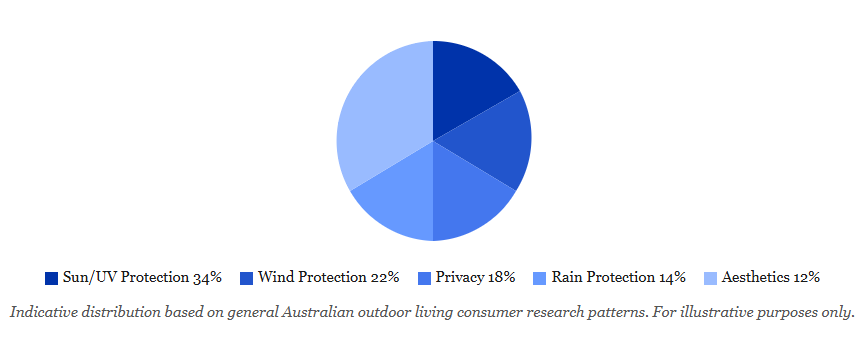
Most people think about shade first. That makes complete sense in Melbourne, where UV levels regularly reach extreme ratings from October through to March. However, the best outdoor blind solutions deliver well beyond simple sun control.
Wind is a significant problem on Melbourne decks and elevated alfresco areas. An unprotected outdoor space on a windy afternoon is essentially unusable. Quality track-guided blinds lock fabric under tension and resist gusts that would send a basic roller blind into a spin. Privacy matters enormously too, particularly in newer Melbourne suburbs where homes sit close together and second-storey sightlines are common.
Then there is the question of extending the outdoor season itself. Melbourne’s spring and autumn evenings cool quickly. A well-fitted outdoor blind traps residual heat, keeps the breeze out and adds at least a few more weeks of comfortable alfresco use at both ends of summer. For homeowners who entertain regularly, that is a genuine lifestyle upgrade.
| Verified Fact: According to the Cancer Council Australia, UV radiation in Australia can reach extreme levels (UV index 11+) on clear summer days, making shade structures a recommended sun-safety measure for outdoor areas. |
Energy efficiency is another benefit often overlooked. Outdoor blinds intercept solar heat before it reaches glass. This can meaningfully reduce summer cooling loads inside the home. The Department of Climate Change, Energy, the Environment and Water (DCCEEW) notes that external shading is one of the most effective passive cooling strategies available to homeowners.
Finally, the right outdoor blind simply makes a space look finished. Patios without any shading can look raw and exposed. Well-chosen blinds add structure, frame the space and give it a room-like quality that most Melburnians respond to immediately.
Patio, Deck or Alfresco — The Ideas That Work Best Depend on Your Space
The three most common outdoor living configurations in Melbourne each have distinct features that should shape your blind selection. Using the wrong blind for the wrong space is one of the most common and easily avoided mistakes.
Patio Blind Ideas
A patio is typically a ground-level, paved area adjoining the home. It often has an existing pergola or roofline to attach blinds to. This setup suits almost every blind type, which is both an opportunity and a decision point.
For patios with strong western or northern sun exposure, a drop-down system like Ziptrak outdoor blinds works brilliantly. The fabric can be stopped at any point along the drop, giving you precise control over light and view. A clear PVC option lets afternoon light through while cutting glare and wind. For a demanding western aspect, a denser mesh than you would use on a general patio is warranted — 1% to 3% openness rather than the 3% to 5% that suits a more moderate exposure.
On patios that face onto a garden or pool, outdoor café blinds create a semi-enclosed feel that still keeps the view alive. They are a popular choice for older Melbourne homes where the patio is already a well-established part of the outdoor layout.
Deck Blind Ideas
Decks introduce two challenges that ground-level patios rarely face: elevation and exposure. An elevated deck catches more wind and often has less fixed structure to anchor blinds to. This makes the choice of blind system more critical.
Track-guided systems like Ziptrak or Ezip blinds are the strongest performers on exposed decks. Their side channels grip the fabric under tension, which significantly reduces fabric stress in high-wind conditions. A standard café blind or unsecured roller blind on an elevated deck can become a liability in a Melbourne westerly.
For decks where the view is a primary feature — harbour outlooks, garden vistas or tree-canopy surrounds — a mesh or screen blind in a low openness factor (5% to 10%) maintains the outlook while cutting glare and UV. Transparency and protection are not mutually exclusive here.
Alfresco Blind Ideas
Alfresco areas are purpose-built outdoor rooms, typically with a solid or insulated roof, built-in lighting and often integrated with the kitchen or dining zone. They represent Melbourne’s biggest shift in outdoor living over the past decade.
Because the alfresco is often a significant architectural investment, the blind selection needs to match the finish quality of the space. Motorised outdoor blinds are particularly popular here. They operate cleanly with a remote or wall switch, integrate with smart home systems and eliminate the need to walk around adjusting multiple drops manually.
Zipscreen blinds work exceptionally well in alfresco configurations. Their zippered side channels create a near-sealed enclosure, making the alfresco genuinely usable on windy or drizzly Melbourne days that would otherwise shut the space down.
The Main Types of Outdoor Blinds — What Each One Actually Does Best
Walking into a conversation about outdoor blinds without knowing the product types is like ordering at a restaurant in the dark. Here is a clear comparison of the main systems available through DIY Outdoor Blinds in Melbourne, and exactly what each one does well.
Ziptrak Blinds
Ziptrak is an Australian-developed system and arguably the best-known premium outdoor blind available here. Its defining feature is the zip-guided side track. The fabric edges are fed into an aluminium channel and held under constant tension as the blind is raised or lowered.
This design eliminates side gaps, dramatically reduces fabric movement in wind and creates a cleaner seal than any side-weighted or cord-guided system. Ziptrak blinds can be stopped at any point in the drop without a lock or pin mechanism. You push, and the blind stays put.
The fabric range is extensive. Options include clear PVC for rain protection, block-out PVC for full privacy, mesh in varying openness factors and tinted options for glare control. Ziptrak outdoor blinds in Melbourne suit patios, alfresco areas and large pergola spaces particularly well.
Ezip Blinds
Ezip blinds share the zip-track principle with Ziptrak but offer a slightly different hardware configuration that suits certain installation scenarios more practically. They are a strong choice where head box dimensions are constrained or where a specific fabric integration is needed.
Ezip blinds handle Melbourne’s wind conditions well. Like Ziptrak, the side-track system keeps fabric under tension and prevents the billowing and flapping that plague basic drop-down systems. They work effectively on both patios and elevated decks.
Café Blinds
Café blinds are the classic Australian outdoor blind. They use a weighted base bar and side toggles or guides to keep the fabric in position. They do not have a zip track, which means they have slightly more side-gap exposure than premium systems.
However, outdoor café blinds are an honest, cost-effective solution for sheltered patios. They come in clear PVC, tinted PVC and mesh. For a covered pergola in a semi-sheltered garden, they provide very good value and are simple to operate and maintain.
They are not the best choice for elevated, high-wind or fully exposed positions. In those situations, the side gaps and lighter fabric tension can become a problem quickly.
Mesh and Screen Blinds
Mesh blinds are not always sold as a separate category, but the fabric choice is often the most important decision within any blind system. Mesh or screen fabric allows airflow while blocking a meaningful percentage of UV radiation and glare.
The openness factor of mesh ranges from around 1% (very dense, minimal view-through) to 14% (open weave, strong airflow, clear view). For Melbourne’s climate, a 3% to 5% openness factor is a common recommendation for west and north-facing aspects. It blocks strong glare while retaining reasonable outward visibility.
| Verified Fact: ARPANSA (Australian Radiation Protection and Nuclear Safety Agency) confirms that UV radiation, not temperature, causes the most sun damage. High-quality outdoor mesh fabrics with low openness factors can block over 90% of UV radiation, reducing outdoor UV exposure significantly. Source: arpansa.gov.au |
Outdoor Blind Ideas by Style — Matching the Blind to the Home
The best outdoor blind idea is the one that looks like it was always supposed to be there. Getting the style match right is not about being precious — it is about making a decision that adds value rather than visual noise.
Modern and Minimalist Homes
Clean lines and concealed hardware define the modern Melbourne home. Ziptrak and Zipscreen systems suit this aesthetic almost perfectly. Their slim cassette housing, flush track profiles and wide fabric drops create an uninterrupted surface that complements concrete, steel and glass architecture.
Colour choice matters here. Charcoal, warm grey and off-white fabrics all work well against modern render finishes. Avoid overly decorative trims or visible hardware that breaks the clean sightline. Motorised operation adds to the minimalist effect by eliminating pull cords from the picture entirely.
Coastal and Hamptons Style
Melbourne’s bayside suburbs have embraced the Hamptons aesthetic with real enthusiasm. White-painted timber, louvre shutters and coastal planting define this look. Outdoor blinds in crisp white, natural linen tones or soft grey integrate seamlessly.
Fabric texture matters in this context. A flat, matte mesh in a warm white reads as designed rather than functional. café blinds in clear PVC with a white frame can also work beautifully on a deep covered verandah. The key is to keep the hardware colours consistent with the home’s existing palette.
Traditional, Federation and Period Homes
Older Melbourne homes present a design challenge that not every blind system meets well. Bulky modern cassette systems can look out of place against ornate verandah posts and heritage detail. Here, café blinds with traditional cream or heritage green frames often integrate far better than a contemporary track system.
The goal is sympathy with the existing architecture. A blind that sits quietly in the background and does its job without drawing attention to itself is the right call on a federation or Edwardian home. Avoid industrial-look hardware, exposed aluminium in silver or grey, and oversized headboxes that dominate the roofline.
Small Patios, Compact Decks and Apartment Balconies
Space-constrained outdoor areas need blinds that do not overwhelm the space. A single drop of Zipscreen or a lightweight mesh blind on a balcony creates privacy and wind protection without making the space feel smaller.
On apartment balconies particularly, the structural fixing points are limited and the body corporate may have specific requirements. A reputable outdoor blind company in Melbourne will assess these constraints before recommending a system. Non-penetrating or tension-mounted systems can work in some cases.
Outdoor Blind Ideas for Specific Problems
Most people searching for outdoor blind ideas are not browsing casually — they have a specific frustration. Here is how the right blind addresses the most common ones in Melbourne.
Blinds Keep Blowing in the Wind
This is the single most common complaint about basic outdoor blinds, and it is completely solvable. The problem is almost always the same: the blind system does not grip the fabric at the sides. Wind finds the gap and the fabric billows, flaps and eventually fatigues.
The fix is a zip-guided system. Both Ziptrak and Ezip use side tracks that hold the fabric edges under constant tension. Wind cannot find the side gap because there is no side gap. The fabric stays taut and flat even in a solid Melbourne westerly. If your current blinds are blowing around, upgrading to a track-guided system is not a luxury — it is the correct solution.
Privacy Without Losing Light
This is a genuine tension in blind design, and it comes up constantly in Melbourne’s denser suburbs. You want to block the neighbour’s sightline from their elevated deck. However, you do not want to sit in the dark while you do it.
Mesh fabric resolves this more effectively than most people expect. A 3% openness factor mesh blocks outward visibility while still admitting diffused natural light. You can see out reasonably well from inside but the outside view in becomes much harder from a short distance away. It is not a perfect one-way mirror effect, but it performs well in practice.
For maximum privacy with good light transmission, a frosted or tinted PVC option splits the difference — blocking direct sightlines while allowing softened light through the panel.
West-Facing Patio or Deck
A west-facing outdoor area in Melbourne is a brutal afternoon experience from November through to March. The low western sun drives directly under pergola rooflines and creates glare and radiant heat that makes the space essentially unusable from around 2 pm onwards.
A vertical drop blind on the western face is the most effective response. Mesh fabric with a 1% to 3% openness factor cuts glare significantly while maintaining airflow. Pairing this with a quality window awning on western glazing immediately adjacent to the patio compounds the cooling effect.
For the most demanding western-facing situations, a block-out PVC fabric completely eliminates afternoon glare. This suits spaces used primarily for entertaining after dark or in the early afternoon before the sun swings fully west.
Rain Ruins Your Outdoor Plans
Melbourne’s weather is famously unreliable. A forecast clear evening can shift quickly, and an open patio without protection is instantly compromised. The right blind keeps the space usable through light to moderate rain.
Clear or translucent PVC blinds with zip-guided side tracks provide the strongest rain resistance. The track system seals the fabric edge and prevents rain from driving in sideways. Combined with a solid or insulated roof, a fully enclosed alfresco with Zipscreen blinds can manage all but the heaviest Melbourne downpours.
Standard café blinds with side toggles are less effective in rain because the side gaps allow wind-driven rain to enter. They are adequate for vertical rain on a covered patio but not for exposed positions in wet conditions.
Renting and Cannot Make Permanent Alterations
This is an often-overlooked situation. Renters in Melbourne who want outdoor blind solutions on their patio or balcony face real constraints — most landlords will not permit structural fixing. The options are more limited but not non-existent.
Some lightweight tension-mounted screen systems can be installed without wall penetrations. Freestanding shade sail structures with removable posts are another option. Before ordering anything, speak openly with a supplier about the rental constraint. A good supplier will be honest about what is and is not viable rather than selling a system you cannot legally install.
How to Choose the Right Outdoor Blind — Work Through This Before You Order
Jumping straight to a product without assessing your space first is the most common mistake. Six honest questions will clarify the right direction before you spend a cent.
| Question | Why It Matters | What It Determines |
|---|---|---|
| Which direction does the space face? | Sun angle and intensity vary dramatically by orientation in Melbourne. | Fabric density and UV blocking requirement. |
| How exposed is the space to wind? | An elevated or coastal position needs a wind-rated, track-guided system. | Whether a zip-track system is required. |
| Is rain protection a priority? | Only certain fabrics and systems create an effective rain barrier. | PVC vs mesh fabric choice. |
| How many drops are needed? | Multiple drops make manual operation inconvenient and inconsistent. | Whether motorisation is practical and worthwhile. |
| What is the home’s architectural style? | The wrong hardware profile can look out of place and reduce property appeal. | System type and colour/finish selection. |
| What is the realistic budget? | Outdoor blind investment ranges significantly across system types. | Which product tier is realistic without compromising on the critical requirements. |
After working through these questions, you will have a clear picture of what you actually need — before you talk to anyone. That clarity makes the consultation process faster and protects you from being upsold on features your space does not require.
Questions Worth Asking Before You Commit
Even after deciding on a product type, a few pre-purchase checks will save headaches later. Run through this checklist before placing any order.
- Is the supplier willing to provide a written quote with product specifications included — not just a price?
- What is the fabric warranty, and does it cover UV degradation and colour fade specifically?
- What is the mechanism warranty, and does it cover motorised components separately?
- Are the DIY measurement and installation video guides easy to follow so you can get a perfect fit yourself?
- Is the system compliant with Australian Standards for external shading products?
- What aftercare or servicing options are available once the blinds are installed?
- If motorised, does the system integrate with your existing home automation or smart home platform?
- Are there colour or fabric samples you can assess in your actual outdoor space before ordering?
A supplier who answers these questions confidently and in writing is a supplier worth trusting. Hesitation, vague answers or pressure to decide quickly are all warning signs worth taking seriously.
| Humm90 Finance Available: All purchases come with 5 years interest free through Humm90. You do not start paying for your blinds until they arrive at your door. Terms and conditions apply. Ask the team for details at [email protected] or call 1300 040 577. |
| The blinds were delivered on time and installed within the day. The communication of Paul was fantastic and he kept in the loop with everything going on with the job, the blinds look amazing, would 100% recommend – Hayley Koina |
Keeping Your Outdoor Blinds in Good Shape
A quality outdoor blind is a long-term investment. Basic maintenance keeps it performing well for years without requiring professional servicing. The good news is that the maintenance routine is genuinely simple.
Clean fabric regularly with a soft brush or low-pressure hose to remove dust, pollen and organic debris. Melbourne’s spring season brings significant pollen loads that can embed in mesh fabric and, if left, begin to degrade it over time. A quarterly wash with mild soapy water and a rinse prevents this effectively.
Check the bottom bar and side tracks for debris after windy periods. Small stones, leaf matter or grit can lodge in the track system and cause friction that wears the zipper mechanism or fabric edge. Clear any debris before operating the blind again.
For motorised systems, ensure the motor limits are set correctly during your initial DIY installation setup or a qualified technician. A motor that is set slightly out of alignment will stress the fabric at the top and bottom of its travel, reducing lifespan.
Lubricate aluminium tracks annually with a silicone-based lubricant. Avoid petroleum-based lubricants, which attract dust and can degrade certain fabric coatings over time.
Roll blinds up during extended periods of non-use — particularly over Melbourne’s winter months if the space is unused. This reduces UV exposure to the fabric and keeps the mechanism clean and free of contamination.
The Right Outdoor Blind Makes Melbourne Living Better
Melbourne’s outdoor spaces ask a lot of the products that protect them. Forty-degree summers, blustery westerlies, sideways spring rain and the kind of golden autumn evenings that remind you why you live here in the first place. The right outdoor blind handles all of that without complaint — and makes the space genuinely usable through every part of the year that matters.
Start with your space. Get the system right for your specific situation. The difference between an outdoor area you occasionally use and one you actually live in is usually one good decision.
If you are in Melbourne and ready to work through the specifics, the team at DIY Outdoor Blinds is worth your time. Honest advice, no obligation, and the full range of premium outdoor blind systems available for Melbourne homes.