

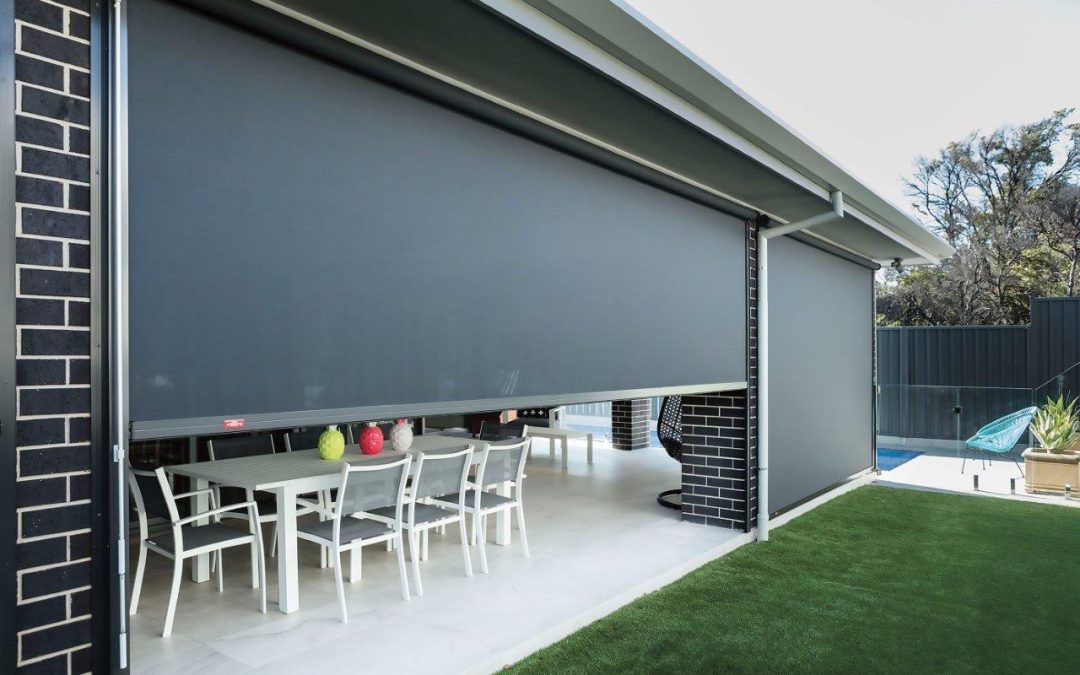
Automated outdoor blinds are rapidly changing the way Australians use, protect, and enjoy their outdoor spaces. With a single tap, a voice command, or a scheduled routine, your alfresco area transforms from a sun-baked patio into a shaded, private, and perfectly comfortable extension of your home. Whether you’re battling Melbourne’s unpredictable wind gusts, intense summer UV, or coastal salt spray up north, the right motorised blind system delivers year-round control without the manual effort.
This guide covers everything you need to know. From how electric outdoor blinds actually work, to materials, smart home integration, cost breakdowns, installation timelines, and how to choose the right system for your specific home — it’s all here. Let’s get into it.
What Are Automated Outdoor Blinds and How Do They Work?
Put simply, automated outdoor blinds replace the manual effort of pulling, clipping, or cranking traditional blinds with a reliable electric motor. That motor responds to your preferred control input — a handheld remote, a smartphone app, or even a voice command through your smart home system. The result is seamless, effortless shade and weather control for your outdoor entertaining area.
Understanding Motorised Outdoor Blind Technology
Every motorised outdoor blind system is built around a tubular motor. This motor sits discreetly inside the roller tube of the blind. It connects to either a mains power supply or a rechargeable battery pack, depending on the system you choose.
When you activate the motor — via remote, app, or sensor signal — the tube rotates. This movement raises or lowers the blind fabric smoothly and quietly. High-quality motors include built-in limit settings. Those limits define exactly how far the blind travels up or down, preventing over-extension or damage to the mechanism.
Additionally, most modern motors include soft-start and soft-stop technology. This means the blind accelerates gently at the start and decelerates smoothly at the end of travel. Consequently, both the fabric and the motor experience significantly less stress over time.
Verified Fact
Tubular motors used in quality outdoor blinds can typically deliver between 20,000 and 50,000 operating cycles before requiring service. At five operations per day, that equates to over 10 years of daily use. Source: Somfy Australia — a leading motor supplier for the Australian blinds industry.
Control Options: Remote, App, and Voice Activation
Modern electric outdoor blinds support multiple control methods simultaneously. You never need to choose just one. The most common options include:
- Handheld RF remote: Simple, reliable, and works from up to 15–20 metres away through walls.
- Wall-mounted switch: Looks like a standard light switch. Suits fixed outdoor areas well.
- Smartphone app: Control your blinds from anywhere with Wi-Fi or Bluetooth connectivity.
- Voice control: Works with Amazon Alexa, Google Home, and Apple HomeKit / Siri through compatible smart home bridges.
- Timer and scheduling: Program blinds to lower automatically at 3pm every day. Raise them again at sunset.
- Sensor-triggered automation: Wind sensors, sun sensors, and rain detectors trigger automatic responses without any manual input.
Smart Sensors for Australian Weather Conditions
Australia’s weather rarely gives you a polite warning. Sensors bridge that gap admirably. Wind sensors — also called anemometers — detect wind speed and automatically retract blinds before gusts can cause damage. Sun sensors measure UV intensity and deploy blinds automatically when sunlight exceeds a set threshold.
Rain sensors detect moisture and trigger closure, protecting furniture and flooring. Some advanced systems also monitor temperature. Together, these sensor types make smart outdoor blinds genuinely responsive to Australia’s famously unpredictable conditions.
Types of Automated Outdoor Blinds Available at DIY Blinds
Not every outdoor space is the same, and therefore not every automated blind system suits every situation. DIY Blinds offers a comprehensive range across multiple system types. Each option targets a specific combination of aesthetics, protection level, and automation capability.
Motorised Roller Blinds for Outdoor Spaces
Motorised outdoor roller blinds represent the most versatile entry point into automation. The fabric rolls up neatly into a cassette housing above the opening. Fabric choices range from sheer mesh through to near-blackout PVC. These suit standard alfresco areas, pergolas, and patios where wind exposure is moderate.
Automated Cafe Blinds (Clear PVC) for All-Weather Protection
Clear PVC cafe blinds remain enormously popular across Australia for outdoor dining and entertainment areas. Automated versions lower at the touch of a button. They seal out wind-driven rain while maintaining full visibility. Importantly, they trap warmth during cooler months — extending the usability of your outdoor area significantly.
Explore the full range of automated cafe blinds at DIY Blinds, including clear, tinted, and coloured PVC options.
Motorised Mesh and Screen Blinds for UV Control
Mesh fabrics block UV radiation while preserving outward views and allowing natural airflow. The openness factor — expressed as a percentage — determines how much light and air pass through. A 3% openness factor blocks more UV but reduces airflow. A 10% factor allows more breeze but lets in more light.
For Perth, Brisbane, and coastal Queensland homes where solar heat gain is a primary concern, motorised mesh blinds deliver an excellent balance between shade and ventilation.
Electric Ziptrak and Channel-Guide Systems
Ziptrak and similar channel-guided systems, such as Zipscreen and Slide Track, use side channels to guide the blind fabric. This eliminates billowing in wind. The fabric edge locks into the side tracks, creating a sealed perimeter. Consequently, these systems deliver dramatically superior wind resistance compared to standard roller blinds.
Motorised versions of these systems are particularly popular for exposed alfresco areas and coastal properties. The Ezip system also uses a zip-guided edge mechanism, delivering a clean, contemporary look with robust performance.
Automated Outdoor Awnings and Retractable Options
Motorised window awnings add both protection and curb appeal. Retractable arm awnings extend outward to shade windows and glass doors, reducing solar heat gain inside the home. Electric versions retract automatically when wind sensors detect unsafe conditions, protecting both the awning and the window beneath.
Why Choose Automated Outdoor Blinds for Your Australian Home?
The case for choosing motorised over manual outdoor blinds grows stronger every year. Automation technology has matured, prices have become far more competitive, and Australian homeowners increasingly expect smart-home capability as a standard feature rather than a luxury add-on.
Energy Efficiency and Cost Savings
Correctly deployed automated outdoor blinds reduce solar heat gain through windows and glass doors. During summer, this directly cuts your air conditioning load. According to the Australian Government’s Department of Climate Change, Energy, the Environment and Water, shading windows and glass doors can reduce cooling energy demand by up to 40% in Australian climates.
Moreover, sensor-based automation means the blinds deploy and retract at optimal times throughout the day. This maximises energy savings without any manual intervention from you.
Enhanced Outdoor Living and Entertainment Spaces
Australia’s outdoor lifestyle is central to how most families live. Automated alfresco blinds extend the number of days you can comfortably use your outdoor area throughout the year. In Melbourne alone, that means transforming a seasonal patio into a genuine year-round living space — sheltered from cold southerly winds in winter and from relentless summer sun equally.
Weather Protection: Sun, Wind, and Rain Defence
Motorised outdoor blinds with sensor integration respond to changing weather automatically. Wind sensors retract blinds before gusts exceed safe operating limits. Rain sensors lower PVC cafe blinds to protect furniture and flooring. Sun sensors deploy shade blinds when UV index reaches a defined threshold.
This automated response protects your furniture, outdoor kitchen, and flooring even when you’re not home. For families who travel frequently, this level of hands-off protection is genuinely valuable.
Increased Property Value with Smart Home Features
Smart home features consistently appear on Australian buyer wishlists. A 2024 survey by realestate.com.au found outdoor entertaining areas ranked among the top five features buyers prioritise. Well-presented, automated alfresco spaces contribute meaningfully to perceived property value — particularly in Melbourne’s competitive inner-west and bayside suburbs.
Accessibility and Convenience for All Ages
Manual blinds can be physically challenging for older Australians, people with limited mobility, or those recovering from injury. Automated outdoor blinds eliminate that barrier entirely. A single button press — or a programmed schedule — handles everything. This accessibility benefit makes motorised blinds a genuine quality-of-life upgrade for many households.
Best Materials for Automated Outdoor Blinds in Australia’s Climate
Material selection is critical in Australia. Intense UV radiation, coastal salt air, high winds, and occasional bushfire ember attack create conditions that quickly expose inferior materials. Choosing correctly from the outset saves significant cost and frustration over time.
PVC Cafe Blinds: Clear Views and Weather Resistance
Clear PVC is the go-to material for all-weather protection combined with visibility. Modern marine-grade PVC resists yellowing, cracking, and UV degradation far better than older-generation plastics. For automated cafe blind applications, PVC remains the most practical and popular choice across Australia.
Acrylic and Canvas Fabrics for Heat Reduction
Solution-dyed acrylic fabrics — familiar from brands like Sunbrella — offer outstanding UV stability and colour retention. These fabrics resist mould, mildew, and fading under sustained Australian sun exposure. They provide good heat reflection and suit awning applications particularly well.
Mesh Fabrics: Choosing the Right Openness Factor
Mesh fabrics vary by openness factor — the lower the percentage, the more UV and glare is blocked. A 1–3% openness factor suits areas with intense western or northern sun exposure. A 5–10% factor suits shadier aspects where airflow is the priority. Most manufacturers rate quality outdoor mesh at 95–99% UV blockage regardless of openness factor.
Marine-Grade Materials for Coastal Australian Homes
Coastal properties face salt-laden air, higher humidity, and frequent strong winds. Marine-grade fabrics, stainless steel or powder-coated aluminium hardware, and sealed motor housings are non-negotiable for locations within 1–5 km of the coast. Specifying marine-grade components from the outset prevents premature corrosion and costly replacement.
Bushfire-Rated Options for High-Risk Areas
For homes in Bushfire Attack Level (BAL) rated zones, blind selection requires careful consideration. While traditional fabric outdoor blinds are generally not rated for bushfire protection, DIY Blinds offers specialized Fire Shield Roller Shutters designed to protect your home’s windows and doors from embers and radiant heat in high-risk zones.
Smart Home Integration: Taking Outdoor Automation Further
Automated outdoor blinds reach their full potential when integrated into a broader smart home ecosystem. Modern Australian homes increasingly run on platforms like Google Home, Amazon Alexa, or Apple HomeKit — and quality motorised blind systems connect to all three.
Voice Control with Alexa, Google Home, and Siri
Compatible motor systems — particularly those using Somfy TaHoma, Roller Smart, or similar bridge technology — integrate with major voice assistant platforms. “Hey Google, lower the alfresco blinds” becomes a fully functional command. Voice control proves especially convenient during entertaining, when hands are occupied.
Scheduling and Scene Creation for Daily Routines
Scheduling allows you to define exactly when blinds lower and rise each day. Additionally, scene creation groups multiple smart home devices together. One “afternoon sun” scene might simultaneously lower the alfresco blinds, dim outdoor lights, and start the outdoor fan — all triggered by a single command or scheduled time.
Weather-Based Automation and Sensor Technology
Sensor-based automation represents the most advanced tier of smart outdoor shading. When your wind sensor detects 40 km/h winds — well before unsafe gusts hit — the system automatically retracts exposed blinds. This protection occurs whether you’re home, at work, or interstate. For Australian coastal and storm-prone regions, this feature alone justifies the investment in motorised systems.
Smartphone App Control from Anywhere
Wi-Fi enabled motor systems allow full control via dedicated smartphone apps. Check blind status, adjust positions, override schedules, and receive push notifications — all from your phone, regardless of where you are in Australia. This remote capability is particularly popular with property investors managing rental homes.
Integration with Existing Home Automation Systems
Smart outdoor blinds can integrate with existing home automation hubs including Control4, Crestron, KNX, and similar platforms commonly installed in higher-end Australian homes. This integration allows outdoor blinds to form part of a comprehensive whole-home automation strategy rather than operating as a standalone system.
Automated Outdoor Blinds Cost Guide: What to Expect in 2026
Cost is consistently the first question Australian homeowners ask. The honest answer is that pricing varies significantly based on system type, blind dimensions, fabric selection, motor specification, and control system complexity. However, meaningful price ranges can guide your budget planning.
Price Breakdown by Blind Type and Size
| Blind Type | Approx. Size | Estimated Price Range (AUD, Supply & Install) |
|---|---|---|
| Motorised mesh roller blind | 2.4m W x 2.4m H | $900 – $1,800 |
| Automated clear PVC cafe blind | 3m W x 2.4m H | $1,200 – $2,200 |
| Motorised Zipscreen / channel-guide | 3m W x 2.7m H | $2,000 – $4,500 |
| Electric retractable awning | 4m projection | $2,500 – $6,000+ |
| Full alfresco automation (multi-blind) | Complete space | $5,000 – $18,000+ |
Price ranges are indicative estimates for the Australian market as of mid-2026. Actual pricing depends on specific dimensions, fabric selection, motor specification, and installation complexity. Contact DIY Blinds for a free custom quote.
Motor and Automation System Costs
Motor upgrades typically add $150–$450 per blind over a manual system. Smart home bridge devices — enabling app and voice control — add a one-time cost of approximately $150–$400 per system (not per blind). Sensor kits — wind, sun, or rain — add $120–$350 per sensor depending on type and brand.
Professional Installation vs DIY Installation
Motorised outdoor blinds require electrical work in most configurations. In Australia, electrical work must comply with AS/NZS 3000 — the Wiring Rules — and be performed by a licensed electrician. Battery-operated wireless motor systems reduce this requirement. However, for permanent hardwired installations, professional installation ensures both safety and warranty compliance.
Long-Term Savings: Energy and Maintenance
Consider the full cost-benefit picture beyond purchase price. Reduced cooling costs, extended fabric life through automated retraction in high winds, and avoided furniture replacement from UV damage all offset the initial investment meaningfully over a 5–10 year period.
Financing and Payment Options at DIY Blinds
DIY Blinds partners with Humm90, offering 5 years interest-free financing on all purchases. Importantly, you don’t begin paying until your blinds arrive at your door. This makes a premium automated system accessible without requiring a large upfront outlay. Terms and conditions apply — contact the team for full details.
Installation Process: Professional Service by DIY Blinds
Understanding the installation journey helps you plan effectively and set realistic expectations. DIY Blinds follows a structured, customer-focused process from first contact through to post-installation handover.
Initial Consultation and Custom Measurement
Every project begins with a detailed consultation. The team assesses your space, sun orientation, wind exposure, privacy requirements, and desired control system. Precise measurements are taken. These measurements drive the custom manufacturing process — ensuring a perfect fit without on-site adjustment.
Electrical Requirements and Australian Compliance
For hardwired motorised systems, the DIY Blinds team coordinates with your licensed electrician or provides referrals to trusted local electricians. All electrical work must comply with AS/NZS 3000 and relevant state-based electrical regulations. Battery and solar-powered motor options are also available, simplifying installation in locations where running mains power is impractical.
Timeline: From Order to Installation
Custom manufacturing typically takes 3–6 weeks from confirmed order, depending on the system type and current production scheduling. The team communicates proactively throughout this period. Installation itself usually completes within a single day for standard residential projects.
What to Expect on Installation Day
The installation team arrives at the agreed time with all components pre-cut and pre-configured to your specifications. Brackets are fixed, motors are connected, channels are secured, and fabrics are tensioned correctly. The team then programs motor limits, tests all control inputs, and connects any sensor or smart home integration components.
Post-Installation Testing and Handover
Before leaving, the installation team conducts full operational testing of every blind in every control mode. They demonstrate the remote, app connection, voice control setup, and sensor functions. A complete handover ensures you feel confident operating your new automated system independently from day one.
Customisation Options for Your Automated Outdoor Blinds
One of the strongest advantages of choosing DIY Blinds for your automated outdoor blind project is the breadth of customisation available. These are not off-the-shelf products — every system is manufactured to your exact specifications.
Fabric Colours and Transparency Levels
Mesh fabrics are available across a wide colour range — from classic charcoal and black through to sandstone, pearl, and custom corporate colours. Transparency levels from near-opaque through to open-weave variants allow precise tuning of your view-through and light-filtering preferences.
Modern Screen Colour Options Available
Contemporary screen fabrics extend beyond functional performance. Deep charcoal meshes suit modern architectural homes. Lighter tones suit coastal or Hamptons-style properties. The DIY Blinds team can guide colour selection to complement your existing facade, decking, and exterior colour scheme.
Frame Colours and Powder-Coating Options
Aluminium extrusions — cassette housings, side channels, and bottom rails — are powder-coated to order. Standard colours include Surfmist, Colorbond Monument, classic white, and custom colours matched to your architectural specifications. Powder-coating provides durability and corrosion resistance essential for the Australian climate.
Motor Positioning and Concealment
Motor positioning can be left-side or right-side to suit your specific installation location and power point accessibility. Cassette housings conceal the motor and rolled fabric neatly when the blind is raised. This clean aesthetic suits both contemporary and traditional Australian architecture.
Multi-Blind Zoning for Large Outdoor Areas
Larger alfresco areas — courtyards, poolside terraces, and expansive entertaining decks — often benefit from zoned automation. Multiple blinds can operate independently or in choreographed groups. Zoning allows precise control of shade and privacy across different sections of a single outdoor space without operating every blind simultaneously.
Maintaining Your Automated Outdoor Blinds: A Complete Guide
Well-maintained automated outdoor blinds deliver decades of reliable service. Maintenance requirements are genuinely modest — particularly compared to the upkeep demands of fixed pergola structures or traditional manual blind systems.
Cleaning Schedule by Material Type
- Mesh fabrics: Rinse with low-pressure fresh water monthly. Mild detergent and soft brush quarterly. Avoid high-pressure washers — they stress the weave and mesh fibres.
- Clear PVC: Wipe with damp cloth and mild soap. Use a dedicated PVC cleaner annually to restore clarity and prevent micro-cracking.
- Acrylic / canvas: Brush off loose dirt when dry. Mild soap solution and soft brush as needed. Allow to dry fully before rolling up.
- Aluminium frames and channels: Wipe down with damp cloth. Apply a light coating of silicone spray to side channels annually to maintain smooth operation.
Motor Care and Battery Maintenance
Hardwired motors require minimal maintenance beyond keeping their housing clean and dry. Battery-powered motors should have batteries recharged or replaced according to the manufacturer’s schedule — typically every 1–3 years depending on usage frequency. Most systems provide a low-battery notification through the app or a specific remote LED indicator.
Seasonal Preparation for Australian Weather Extremes
Before summer, clean all fabrics, test all sensors, and check that wind sensor thresholds are correctly calibrated. Before winter, lubricate channels, inspect all mounting brackets, and ensure the motor limit settings haven’t shifted. In coastal areas, rinse all hardware after salt-spray events to prevent corrosion.
DIY Troubleshooting Common Issues
- Blind won’t respond to remote: Check battery in remote. Ensure you’re within RF range. Re-pair the remote to the motor if needed.
- Blind stops mid-travel: Obstacle detection may have triggered. Clear the path and retry. Check that limit settings haven’t shifted.
- Blind runs past the set limit: Motor limits require resetting. Refer to the motor manufacturer’s programming guide.
- App shows offline: Check Wi-Fi / bridge power. Restart the bridge device. Re-pair if necessary.
Warranty Coverage and Professional Servicing
DIY Blinds backs its products with comprehensive warranty coverage. Motor warranty periods and standard component defects are backed by a comprehensive 5-year warranty, offering long-term reliability for your automated system.
Automated Outdoor Blinds for Different Australian Conditions
Australia’s geographic diversity demands genuinely condition-specific solutions. A system perfectly suited to a Brisbane subtropical alfresco may require meaningful specification adjustments for a coastal Fremantle property or a bushfire-zone home in the Adelaide Hills.
Extreme Heat and UV Protection
In Darwin, Alice Springs, and inland Queensland, outdoor temperatures routinely exceed 40°C in summer. At these extremes, selecting fabrics with high solar reflectance is critical. Light-coloured fabrics reflect more radiant heat. Combined with automated deployment triggered by a sun sensor, these systems dramatically reduce heat loading on adjacent glazing and outdoor furniture.
Coastal Areas: Salt and Wind Resistance
Coastal properties within 1–2 km of the ocean require marine-grade specifications throughout. Stainless steel or hot-dip galvanised fasteners, marine-grade powder coating on all aluminium extrusions, and sealed motor housings prevent premature corrosion. Channel-guided systems — such as Zipscreen — additionally resist coastal wind gusts far more effectively than standard roller configurations.
Storm-Prone Regions: Wind Sensors and Safety Systems
Across coastal Queensland, the NSW Northern Rivers, and storm-affected parts of WA’s southern coast, wind sensors are a practical necessity rather than a luxury feature. Programmed correctly, these sensors retract blinds automatically when gusts approach safe operating limits — well before a storm cell arrives in force.
Bushfire Zones: Fire Shield Considerations
While standard fabric outdoor blinds are not designed for bushfire protection, you can safeguard your home’s main windows and doors in BAL-rated zones by pairing them with DIY Blinds’ specialized Fire Shield Roller Shutters. Always confirm product compliance with AS 3959 and consult your local council for high-risk zones.
Urban Homes: Privacy and Noise Reduction
In dense urban environments — inner Melbourne and major suburban centres — automated outdoor blinds serve a dual privacy and noise-reduction function. Denser mesh fabrics reduce sightlines from neighbouring properties and busy streets. Additionally, PVC cafe blinds provide meaningful acoustic attenuation against traffic and urban noise, making alfresco dining far more enjoyable.
Design Ideas: Transforming Your Outdoor Space with Automation
Beyond the practical benefits, automated outdoor blinds open up a world of design possibilities. The ability to adjust shade, privacy, and enclosure at will allows the same space to serve multiple functions across different times of day and seasons.
Creating the Perfect Alfresco Dining Area
Lower the automated cafe blinds on three sides during a breezy Melbourne evening. The alfresco dining area transforms instantly into a warm, sheltered, candlelit space. Raise them again the next morning for full airflow and garden views. This flexibility is simply not achievable with fixed pergola roofing or static screens.
Poolside Privacy and Sun Protection
Automated mesh blinds around a pool area create a private retreat without sacrificing natural light or air movement. Schedule them to lower automatically at noon — when UV index peaks — and rise again by late afternoon. Poolside furniture, flooring, and the pool interior all benefit from reduced UV exposure over time.
Outdoor Home Office Setups
Post-pandemic, outdoor home office setups have surged in popularity across Australia. Automated blinds allow precise glare control — critical for working on screens outdoors. Combined with a scheduled routine, the workspace is ready each morning without manual adjustment.
Entertaining Spaces with Adjustable Ambience
One smart scene can lower the blinds, activate outdoor lighting, and adjust music — all simultaneously. This kind of integrated entertainment experience is increasingly common in automated Australian homes. Guests are consistently impressed, and the effort required from the host is minimal.
Pet-Friendly Outdoor Areas with Shade Control
Automated shade blinds protect pets left outdoors during the day from heat stress. Sensor-triggered deployment means the shaded area remains available even when you’re at work. This simple benefit resonates strongly with Australian pet owners — particularly during the increasingly intense summer heat events experienced across southeastern Australia.
Automated Outdoor Blinds vs Traditional Alternatives
Comparing automated blinds against traditional alternatives helps clarify where the investment genuinely makes sense and where simpler solutions might suffice.
Motorised vs Manual Outdoor Blinds
Manual outdoor blinds cost less upfront. However, they require physical effort to deploy and retract — and they offer none of the sensor-based protection that motorised systems provide. Over time, manual systems are less likely to be used consistently, reducing both their practical benefit and their contribution to energy savings.
Automated Blinds vs Fixed Pergola Roofing
Fixed pergola roofing — polycarbonate sheeting, timber battens, or solid roof panels — provides permanent overhead protection but offers no adjustability. You cannot let in winter sun on a cold Melbourne morning while also blocking summer UV in the afternoon with a fixed roof. Automated blinds provide that flexibility. They also cost significantly less than full pergola construction.
Smart Blinds vs Traditional Awnings
Traditional fixed awnings provide good overhead shade but cannot retract in high winds. Motorised retractable awnings — including electric window awnings from DIY Blinds — combine the shade benefit of a traditional awning with the safety and convenience of automated retraction during storm events.
Cost-Benefit Analysis Over 10 Years
| Solution | Upfront Cost | Energy Savings (10yr) | Maintenance Cost (10yr) | Flexibility |
|---|---|---|---|---|
| Automated outdoor blinds | $$$ | High | Low | Maximum |
| Manual outdoor blinds | $$ | Moderate | Low–Moderate | Moderate |
| Fixed pergola roof | $$$–$$$$ | Low–Moderate | Moderate–High | None |
| Traditional fixed awning | $$ | Low–Moderate | Moderate | Low |
Safety Features and Child-Safe Motorised Blind Options
Safety is a primary consideration in any home improvement decision — particularly in households with young children or pets. Automated outdoor blinds address several key safety concerns that traditional manual systems cannot match.
Eliminating Cord Hazards with Automation
Cordless motorised blinds eliminate the strangulation hazard posed by looped operating cords. The Australian Competition and Consumer Commission (ACCC) has consistently highlighted looped blind cords as a serious child safety risk. Automated systems remove this hazard entirely — making them the safest choice for family homes. See the ACCC product safety guidelines for blind cords for more information.
Obstacle Detection and Auto-Stop Technology
Quality motorised systems include obstacle detection via motor current sensing. When the blind encounters unexpected resistance during travel — a chair, a toy, a pet — the motor stops automatically and reverses slightly. This prevents damage to the blind and potential injury to whatever caused the obstruction.
Wind Sensors for Storm Protection
As discussed, wind sensors retract exposed blinds automatically during high-wind events. This protects both the blind system and anyone in the adjacent outdoor area. Storm Shield Roller Shutters from DIY Blinds provide an additional layer of protection for homes in particularly storm-exposed locations — explore the Storm Shield range for high-wind-rated options.
Manual Override During Power Outages
Many motorized systems can be specified with a mechanical manual override or a backup hand crank for peace of mind during power outages. Alternatively, opting for a battery or solar-powered motor ensures your blinds remain fully operational even if your home loses mains power.
Real Australian Homes: Customer Success Stories with DIY Blinds
Nothing communicates value more effectively than real Australian homeowners sharing genuine experiences. Here is what DIY Blinds customers have to say.
Energy Savings and Comfort
Homeowners consistently report noticeable reductions in air conditioning use after installing automated mesh blinds on west-facing alfresco areas. The combination of automated deployment and smart sensor triggering means blinds are consistently in the right position — even when occupants are away from home.
Coastal Durability
Coastal customers repeatedly highlight the durability of marine-grade components. Properties close to beaches on Victoria’s Mornington Peninsula and NSW’s South Coast report excellent performance from channel-guided automated systems, even through multiple storm seasons without requiring component replacement.
Smart Integration for Entertainers
Homeowners who entertain frequently describe the transformative effect of integrated alfresco automation. Deploying blinds, activating lighting, and setting the audio zone from a single scene command on a smartphone makes hosting both easier and more impressive for guests.
Adding Value with Automation
Several DIY Blinds customers have reported positive feedback from real estate agents when preparing properties for sale. Well-presented, automated outdoor entertaining areas consistently attract buyer interest and support stronger sale outcomes in Melbourne’s competitive property market.
How to Choose the Right Automated Outdoor Blinds for Your Home
With so many options available, the selection process can feel overwhelming. A structured approach simplifies the decision considerably.
Assessing Your Space and Requirements
Begin with a clear assessment of your outdoor area. Consider the orientation — north-facing areas receive different sun angles than east or west-facing spaces. Measure the width and height of each opening. Note any existing structural features — pergola beams, fence lines, or overhanging eaves — that affect installation options.
Budget Considerations and Best Value Options
Define your budget range early, but consider the full cost-benefit picture. A slightly higher upfront investment in a channel-guided motorised system versus a basic roller blind delivers dramatically better wind resistance, longevity, and performance — particularly in exposed outdoor locations. Over a 10-year period, the additional upfront cost typically represents excellent value.
Matching Blinds to Your Architectural Style
Contemporary homes suit clean-line cassette systems with charcoal or monument powder-coated frames. Coastal and Hamptons-style homes suit lighter frames and neutral mesh tones. Traditional or Federation homes benefit from canvas awnings in heritage-appropriate colours. The DIY Blinds team assists with material and colour selection to ensure visual harmony with your existing architecture.
Future-Proofing Your Investment
Choose a motor platform with a strong market presence and ongoing software support. Somfy and similar established motor brands offer better long-term parts availability and smart home compatibility updates than lesser-known alternatives. This future-proofing consideration is particularly important if you plan to expand your home automation system over time.
Questions to Ask Before You Buy
- What wind rating does this blind system carry?
- Is the motor compatible with my preferred smart home platform?
- What fabric openness factor suits my sun orientation?
- Does this system include obstacle detection?
- What warranty covers the motor, fabric, and components separately?
- Does the motor require mains power or is battery operation available?
- Can this system be expanded with additional sensors later?
- Is the installer licensed for the required electrical work?
Why Choose DIY Blinds for Your Automated Outdoor Blind Installation?
Choosing the right supplier for your automated outdoor blind project is as important as choosing the right product. DIY Blinds brings together local expertise, custom manufacturing, and genuine after-sales support — a combination that off-the-shelf online retailers simply cannot match.
Australian-Made Quality and Local Expertise
DIY Blinds designs and sources products specifically for Australian conditions. The team understands Melbourne’s notorious wind and temperature variability, as well as the UV intensity that coastal Queensland homeowners contend with daily. This local knowledge informs every product recommendation and installation decision.
Custom Manufacturing to Your Exact Specifications
Every blind is manufactured to the precise measurements taken during your initial consultation. There are no standard sizes, no cutting down to fit, and no compromise on coverage. Custom manufacturing ensures a clean, professional installation result that standard off-the-shelf products cannot replicate.
Comprehensive Warranty and After-Sales Support
DIY Blinds backs every installation with comprehensive warranty coverage and genuine post-installation support. When questions arise — about programming, maintenance, or future additions — the team remains accessible and responsive. This ongoing relationship distinguishes DIY Blinds from transactional online competitors.
Customer Reviews and Testimonials
The team’s commitment to communication and quality is consistently reflected in customer feedback. DIY Blinds has built a strong reputation across Melbourne’s western suburbs and beyond through word-of-mouth referrals — the strongest indicator of genuine customer satisfaction in the competitive Australian blinds market.
Flexible Finance with Humm90
Through the Humm90 5 Years Interest-Free financing program, you can invest in a premium automated outdoor blind system today and begin making payments only after your blinds arrive. This removes the financial barrier between your current outdoor space and the comfortable, automated alfresco area you deserve. Terms and conditions apply.
Frequently Asked Questions About Automated Outdoor Blinds
How much do automatic outdoor blinds cost?
Automated outdoor blinds in Australia range from approximately $800–$1,800 per blind for standard motorised mesh or PVC options. Channel-guided systems such as Zipscreen range from $2,000 to $4,500+ per blind. Full alfresco automation for a complete entertaining area typically falls between $5,000 and $18,000+, depending on size, materials, and control system complexity. DIY Blinds offers Humm90 5-year interest-free financing to spread the cost.
Are automated blinds worth it?
Yes — for most Australian homeowners, the answer is clearly yes. Automated outdoor blinds reduce cooling energy costs by up to 40%, protect furniture from UV damage, improve outdoor usability year-round, increase property value, eliminate cord safety hazards, and offer hands-off weather protection via sensor automation. The long-term return on investment is strong.
What are automated blinds?
Automated blinds use electric motors to raise and lower the blind fabric automatically — in response to a remote control, smartphone app, voice command, scheduled timer, or environmental sensor. They eliminate the need for manual operation and can form part of a broader smart home system.
What are the drawbacks of outdoor blinds?
Outdoor blinds require occasional cleaning, and lower-quality materials may degrade faster in harsh Australian UV or coastal salt conditions. Manual blinds require physical effort and consistent use to deliver their full benefit. Automated systems add an upfront cost premium over manual versions. However, these drawbacks are modest compared to the long-term benefits for most Australian outdoor spaces.
What are the disadvantages of motorised blinds?
Higher initial purchase price compared to manual alternatives, reliance on power supply (mitigated by battery options), and occasional software updates required for smart home integration are the primary considerations. Motor replacement is needed approximately every 10–15 years. Overall, these are minor disadvantages relative to the convenience and safety benefits delivered.
What are the best outdoor blinds in Australia?
The best outdoor blind system depends on your specific conditions. For wind resistance and weather sealing, channel-guided systems — Ziptrak, Zipscreen, Slide Track, and Ezip — lead the market. For all-weather dining protection, clear PVC cafe blinds excel. For UV control with airflow, quality mesh fabrics deliver best results. DIY Blinds supplies the full range and can recommend the optimal solution for your property.
Are outdoor blinds worth it?
Absolutely. Outdoor blinds extend the usability of alfresco spaces, reduce indoor cooling costs, protect furniture from UV degradation, improve privacy, and add genuine value to Australian properties. When correctly specified for local climate conditions, outdoor blinds deliver excellent long-term return on investment.
What are people using instead of blinds?
Common alternatives include fixed pergola roofing, shade sails, louvre systems, polycarbonate roofing, and planting for natural shade. However, none of these alternatives offer the adjustability, automated weather response, or energy efficiency of motorised outdoor blinds. Many Australian homeowners combine outdoor blinds with other shade structures to create fully flexible outdoor living spaces.
Do outdoor blinds keep out rain?
Clear PVC cafe blinds, when fully deployed, provide effective protection against wind-driven rain and light-to-moderate rainfall. Mesh blinds do not provide meaningful rain protection — they are designed for UV and wind management. For full weather enclosure, PVC or solid-fabric blind systems are the appropriate choice.
What is better — Ziptrak or Zipscreen?
Both are high-quality channel-guided outdoor blind systems with excellent wind resistance. Ziptrak and Zipscreen are two separate, competing premium brands in Australia. Ziptrak utilizes a patented cord-free track design, while Zipscreen is a sleek, zip-guided track system designed by Acmeda. Both offer exceptional wind resistance and a sealed finish, so your choice will ultimately come down to your aesthetic preference and specific spatial layout.
How much do Ziptrak outdoor blinds cost?
Ziptrak-style channel-guided outdoor blinds in Australia typically range from $1,800 to $4,500+ per blind for motorised versions, depending on width, height, fabric selection, and motor specification. Full alfresco installations with multiple blinds can range from $8,000 to $20,000+. Contact DIY Blinds for a free custom quote specific to your space.
What outdoor blinds can withstand wind?
Channel-guided systems — including Zipscreen, Ziptrak, Slide Track, and Ezip blinds — offer the highest wind resistance among outdoor blind types. The side channels lock the fabric edge, preventing billowing and structural stress from wind pressure. Automated versions with integrated wind sensors add a further layer of protection by retracting blinds automatically before wind loads approach unsafe levels.
Can I control automated outdoor blinds when I’m not home?
Yes. Wi-Fi enabled motor systems allow full remote control via smartphone apps from anywhere with an internet connection. You can check blind positions, adjust them manually, override scheduled routines, and receive sensor alert notifications — all remotely. This capability is particularly valuable for homeowners who travel frequently or manage investment properties.
How long do motorised outdoor blinds last?
Quality motorised outdoor blinds — with appropriate fabric and marine-grade hardware where required — typically last 10–20+ years with regular maintenance. Motor mechanisms generally last 10–15 years under normal operating conditions. Fabrics vary by material — quality acrylic and PVC fabrics in Australian conditions typically last 8–15 years before colour or structural degradation requires replacement.
Do motorised outdoor blinds add value to a property?
Yes. Well-presented automated outdoor entertaining areas consistently feature on Australian buyer and tenant wishlists. Real estate professionals across Melbourne note that high-quality alfresco spaces — including automated shading systems — support stronger sale and rental outcomes, particularly in the current market where outdoor living is highly prioritised.