

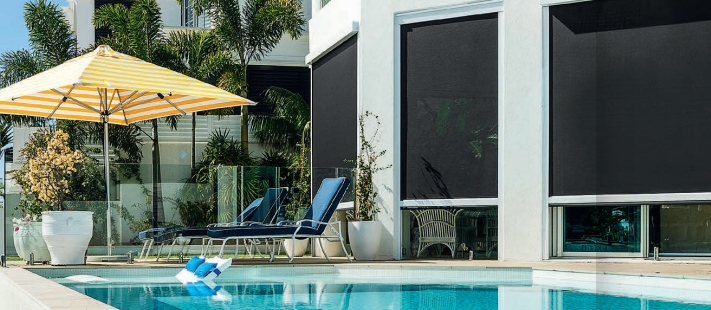
Outdoor patio blinds are one of the most practical upgrades an Aussie homeowner can make — blocking harsh sun, cutting wind, and turning a bare alfresco into a usable space year-round. This complete 2026 guide covers everything: types, materials, costs, DIY tips, and how to choose the best outdoor patio blinds for your home.
There’s nothing quite like the Australian outdoor lifestyle — a cold one in hand, a sizzling barbie, and the whole family spilling out onto the patio. But let’s be honest: without proper shade and shelter, that dream setup can be pretty uncomfortable for a good chunk of the year. Scorching summer afternoons, gusty southerlies, and the odd surprise shower can send everyone scrambling back inside before the snags are even off the grill.
That’s exactly where outdoor patio blinds come in. They’ve become a staple of Australian backyard renovations for good reason — offering a versatile, cost-effective way to control sun, wind, rain, and privacy without a full-scale construction project. Whether you’re kitting out a new alfresco, refreshing a tired pergola, or adding shelter to a first-floor balcony, the right outdoor blinds can genuinely transform how you use your outdoor space.
But with so many options out there — from budget PVC café blinds at Bunnings through to premium motorised Ziptrak® systems — it can be hard to know where to start. This guide cuts through the noise and gives you everything you need to make a smart, informed decision.
What Are Outdoor Patio Blinds?
Outdoor patio blinds — sometimes called alfresco blinds, external blinds, or patio shades — are purpose-built coverings designed to be mounted on the exterior of your home, pergola, or outdoor structure. Unlike indoor blinds, they’re engineered to handle the full range of Australian weather conditions: blazing UV, driving rain, salt air, and strong winds.
They typically attach to a header track or fascia board above an opening and can be rolled, lowered, or retracted as needed. Think of them as a flexible, temporary wall — one that lets you dial up or dial down light, privacy, and weather protection on demand.
The Main Types of Outdoor Patio Blinds
The market has matured significantly in recent years, and Australian homeowners now have a solid range of options across every price point:
| Type | Material | Best For | Wind Resistance | DIY Friendly | Price Range (per drop) |
|---|---|---|---|---|---|
| PVC Café Blinds | Clear / tinted PVC | Light wind & rain, view retention | Low–Moderate | ✅ Yes | $80–$250 |
| Outdoor Roller Blinds | Acrylic / mesh / polyester | Sun, privacy, alfresco areas | Moderate | ✅ Yes | $150–$450 |
| Ziptrak® / Zipscreen® | Premium acrylic / PVC mesh | Wind, rain, year-round use | Very High | ⚠️ Complex | $600–$1,500+ |
| Straight Drop / Alfresco | Acrylic / canvas | Pergolas, verandahs | Low–Moderate | ✅ Yes | $120–$380 |
| Screen / Mesh Blinds | PVC-coated polyester mesh | Glare reduction, airflow | Moderate | ✅ Yes | $130–$400 |
For most Aussie homes, outdoor roller blinds in a quality acrylic or mesh fabric hit the sweet spot of value, performance, and DIY accessibility. Premium track-guided systems like Ziptrak® are worth the extra investment for exposed or frequently used spaces where maximum wind resistance is a priority.
Uses and Benefits of Outdoor Patio Blinds
Outdoor patio blinds aren’t just about aesthetics — though a well-chosen set certainly lifts the look of any outdoor space. The practical benefits for Australian homeowners are substantial, and they stack up across all seasons.
| Up to 98% UV radiation blocked by quality outdoor patio blind fabrics | 10–15°C Reduction in alfresco temperature on a hot summer’s day | 10–15 yrs Expected lifespan of premium solution-dyed acrylic fabrics | +5–10% Potential increase in property value from quality outdoor living upgrades |
Sun Protection and UV Reduction
Australia has the highest rates of skin cancer in the world, and our UV levels are no joke. Quality outdoor patio blinds in a solution-dyed acrylic or UV-rated mesh fabric can block up to 98% of UV radiation — protecting your family, outdoor furniture, and even the flooring inside adjacent rooms from sun bleaching and damage.
Wind and Weather Shelter
One of the most immediate benefits Aussie homeowners notice after installing patio blinds is how dramatically they reduce wind. Even a straight-drop roller blind with no side guides will cut wind chill and keep light rain at bay, making a previously unusable outdoor space comfortable well into autumn and winter. For exposed coastal properties or elevated balconies, a track-guided system is the gold standard.
Extended Living Space
A sheltered, comfortable outdoor area effectively adds a room to your home — without the cost or council approval requirements of a full extension. For families who entertain regularly, this is one of the best returns on investment you can make in your property.
Privacy on Demand
Whether you’re in a tight suburban block, a townhouse with overlooking neighbours, or just enjoy your weekend without the street watching on, patio blinds give you adjustable privacy without permanently walling off the space.
Lower Energy Costs
Outdoor patio blinds act as a thermal barrier for the windows and doors they cover. Reducing direct solar gain on glass can meaningfully lower your summer cooling costs — a benefit that compounds over time and offsets the initial outlay.
Pest and Insect Management
In summer, mesh and screen outdoor blinds pull double duty — filtering light and reducing airborne insects entering your outdoor entertaining area. It’s not a complete insect barrier, but it makes a noticeable difference during the dreaded mossie season.
✅ BENEFITS • Blocks up to 98% of UV radiation • Extends outdoor season year-round • Reduces indoor cooling costs • Improves privacy • Protects outdoor furniture • Adds property value • Fully retractable when not needed • Wide range of styles and fabrics | ❌ DRAWBACKS • Upfront cost (especially premium systems) • Budget PVC can yellow over time • May require council approval for full enclosures • Standard drop blinds can billow in high wind • Motorised systems need electrical work • Incorrect sizing looks poor and underperforms |
Cost of Installation in Melbourne
Melbourne’s climate is famously changeable — “four seasons in one day” is practically a civic motto — which makes quality outdoor patio blinds a particularly worthwhile investment for Melbourne homeowners. You genuinely get year-round use out of them. So, what’s it going to cost you?
What Drives the Price Up (or Down)?
Several factors influence where your project lands on the cost spectrum:
- Size of the opening: Wider drops and greater heights mean more fabric and hardware. A double garage-width opening will cost significantly more than a standard 2.4m verandah section.
- Fabric choice: Budget PVC sits at one end; premium solution-dyed acrylics like Sunbrella® sit at the other. The fabric also drives longevity — cheaper materials may need replacing sooner.
- Manual vs motorised: Motorisation adds $300–$700 per blind but offers genuine convenience, especially for hard-to-reach drops or smart home integration.
- System type: Standard straight-drop blinds are the most affordable. Track-guided systems like Ziptrak® command a premium but deliver superior wind performance.
- Melbourne labour rates: Melbourne tradesperson labour costs are in line with national averages, generally $80–$150 per hour. Most standard blind installations take 1–3 hours per blind.
- Access and structural complexity: Double-storey homes, unusual mounting surfaces, or heritage structures can add to installation costs.
DIY vs Professional Installation: The Cost Comparison
| Cost Component | DIY Route | Professional Install |
|---|---|---|
| Blind (standard quality, 2.4m wide × 2.4m drop) | $200–$380 | $280–$500 |
| Fixings & hardware | $20–$40 | Included |
| Labour | $0 | $150–$300 |
| Typical Total | $220–$420 | $430–$800 |
| Potential saving with DIY | $200–$380 per blind drop | |
Can It Be Done DIY?
Short answer: yes — and for the majority of outdoor patio blind installations, it’s genuinely achievable for a competent home handyperson over a Saturday morning. You don’t need to be a tradie; you just need the right blind, accurate measurements, and a bit of patience.
What You’ll Need
- Tape measure (and a helper for accuracy)
- Power drill with appropriate bits for your mounting surface (timber, masonry, or aluminium)
- Spirit level
- Pencil for marking
- Step ladder or scaffold for higher installations
- Appropriate fixing hardware (rawl plugs for masonry, timber screws for timber)
- The installation guide / video for your specific blind
Step-by-Step DIY Overview
Measure carefully.Measure your opening width and drop height twice. Note whether you’ll be mounting inside the frame (recess fit) or outside/face fit — this affects your blind dimensions.
Order your blind.Use your measurements to order a custom-sized blind from a specialist supplier. Unlike off-the-shelf options, a custom blind fills your opening properly and looks far cleaner. Browse our outdoor patio blinds rangeto get started.
Mark your bracket positions.Use a pencil and level to mark where the mounting brackets will go. Getting this right is the most important step — misaligned brackets cause the blind to roll unevenly.
Drill and fix brackets.Drill pilot holes and fix the brackets securely. For masonry surfaces, use appropriate rawl plugs and masonry anchors.
Mount the blind and test.Clip the blind onto the brackets, test the rolling mechanism, and adjust tension if needed.
Fit any bottom weights or anchor points.Most outdoor blinds include a weighted bottom bar. Optional anchor clips or tie-downs can be added for windier locations.
Common DIY Mistakes to Avoid
- Measuring incorrectly: Always measure the actual opening — not a previous blind or a “standard” assumption. Wrong measurements are the number one reason DIY installs go sideways.
- Using inadequate fixings: Outdoor blinds experience significant wind load. Use the correct fixings for your surface and don’t under-size them.
- Skipping the level: A few millimetres out of level isn’t obvious to the eye but will cause the blind to roll unevenly over time.
- Choosing the wrong fabric: Not all outdoor fabrics are equal. Check UV ratings, openness factor (for airflow), and whether the fabric is suitable for your climate and wind exposure. Our outdoor blind fabric guide can help you choose.
When to Call a Professional
We’re genuine advocates for the DIY approach — it saves money and there’s real satisfaction in kitting out your own outdoor space. That said, there are specific situations where bringing in a professional is the smarter move. Knowing which category your project falls into will save you time, money, and frustration.
Stick with DIY if…
- Your opening is a standard rectangular shape with straightforward mounting surfaces
- You’re installing manual (non-motorised) roller or straight-drop blinds
- You’re confident with basic tools and following an installation guide
- The installation height is safely accessible with a domestic ladder
- You’re installing one or two blinds rather than a full multi-sided enclosure
Call a Professional when…
- You want a motorised system. Any installation involving 240V electrical work requires a licensed electrician. Smart home integration with systems like Google Home or Amazon Alexa also benefits from a specialist’s expertise.
- You’re installing Ziptrak® or Zipscreen®. These proprietary track systems require authorised dealer installation to maintain warranty validity — and the tensioning process is genuinely technical.
- Your structure is unusual or non-standard. Raked pergola rooflines, heritage façades, rendered or glass surfaces, and double-storey installations all benefit from professional assessment and installation.
- You’re enclosing a large outdoor area. Multi-drop full enclosures — like a 6-sided alfresco conversion — involve coordinating headboxes, fascia, and tracks across multiple openings. Getting this right the first time is worth the professional cost.
- Council approval is involved. In some states and local government areas, enclosing an outdoor space beyond a certain size may trigger building permit requirements. A professional can help you navigate this process.
- You’re simply not confident. No shame in it, mate — if heights, power tools, or masonry drilling aren’t your thing, a professional install is absolutely worth the peace of mind.
Frequently Asked Questions
Conclusion & Next Steps
Outdoor patio blinds are one of those home improvements that look better on paper and in practice. The combination of UV protection, weather shelter, extended seasonal usability, and added privacy makes them a genuinely worthwhile investment for the vast majority of Australian homes — whether you’re in sunny Queensland, blustery Melbourne, or coastal New South Wales.
The key is getting the right type of blind for your situation. Standard roller blinds are a fantastic value choice for most alfresco areas, while track-guided systems like Ziptrak® are worth the premium for exposed or heavily used spaces. And for a good portion of installations — particularly standard rectangular openings — a quality DIY setup is entirely achievable and can save you several hundred dollars per drop compared to a professional install.
At DIY Outdoor Blinds, we’ve helped thousands of Aussie homeowners measure up, choose the right product, and install their own outdoor patio blinds with confidence. Our range is custom-made to your exact dimensions, uses quality weather-rated fabrics, and comes with everything you need to get the job done right — including detailed installation guides and a team that actually picks up the phone when you have a question.